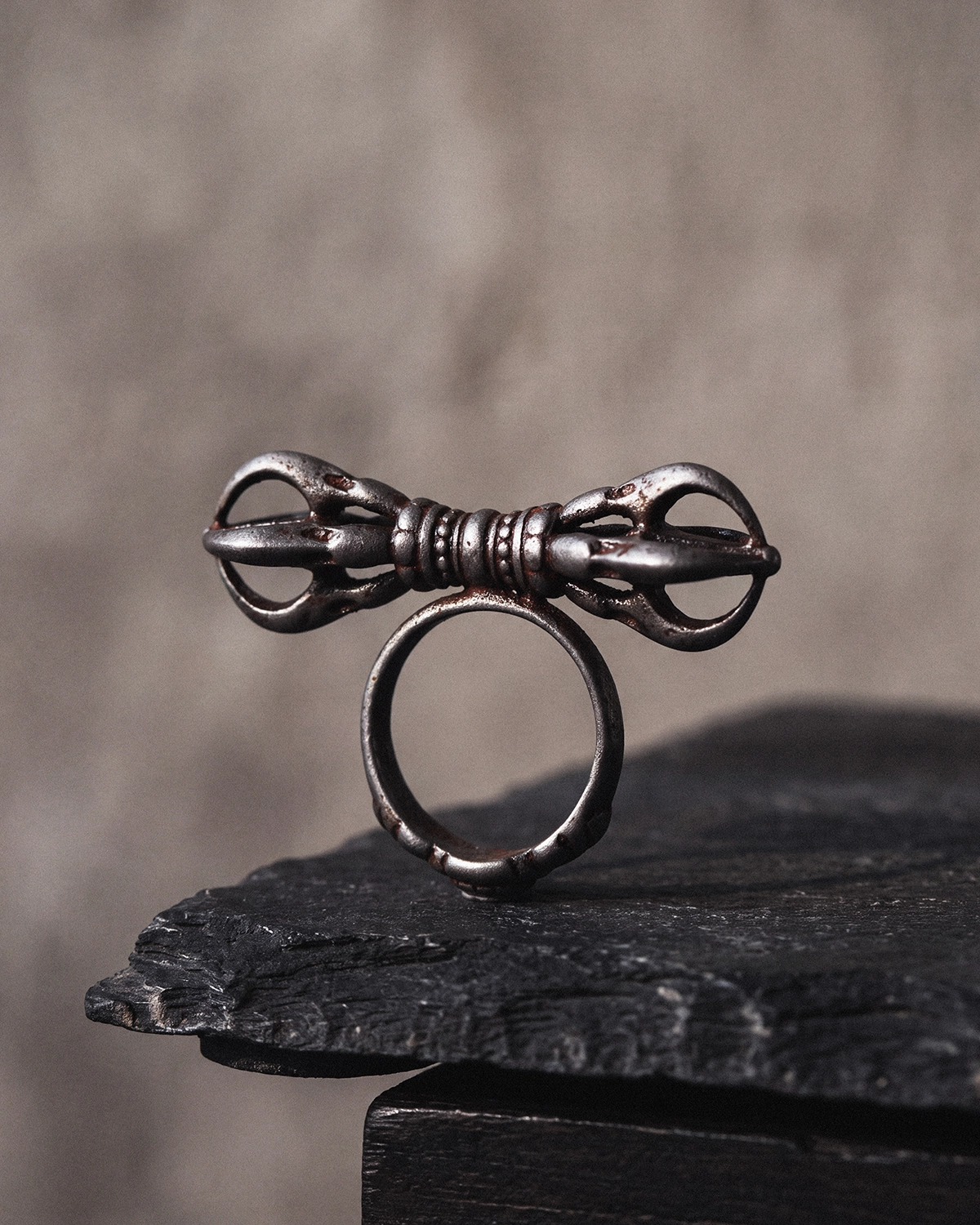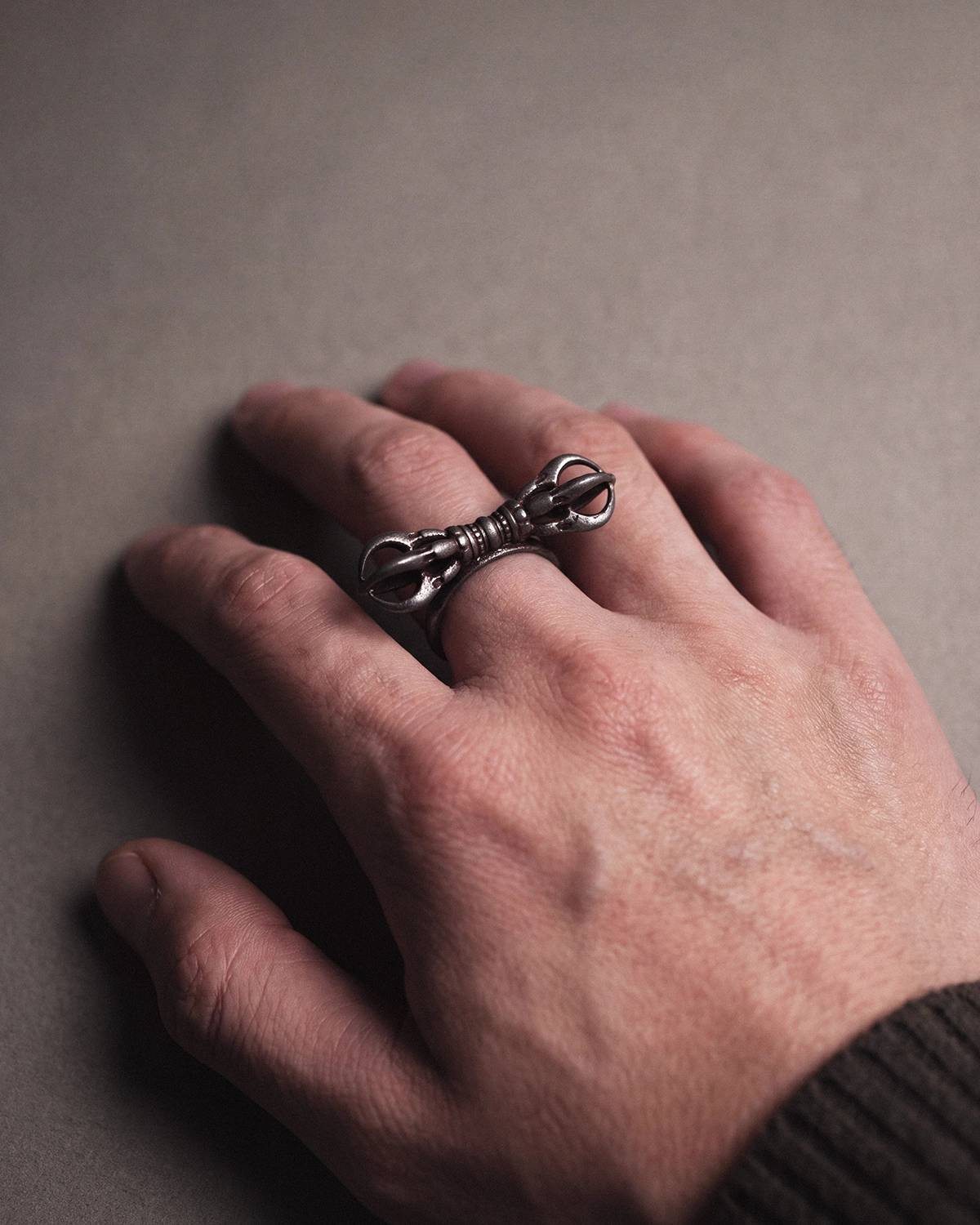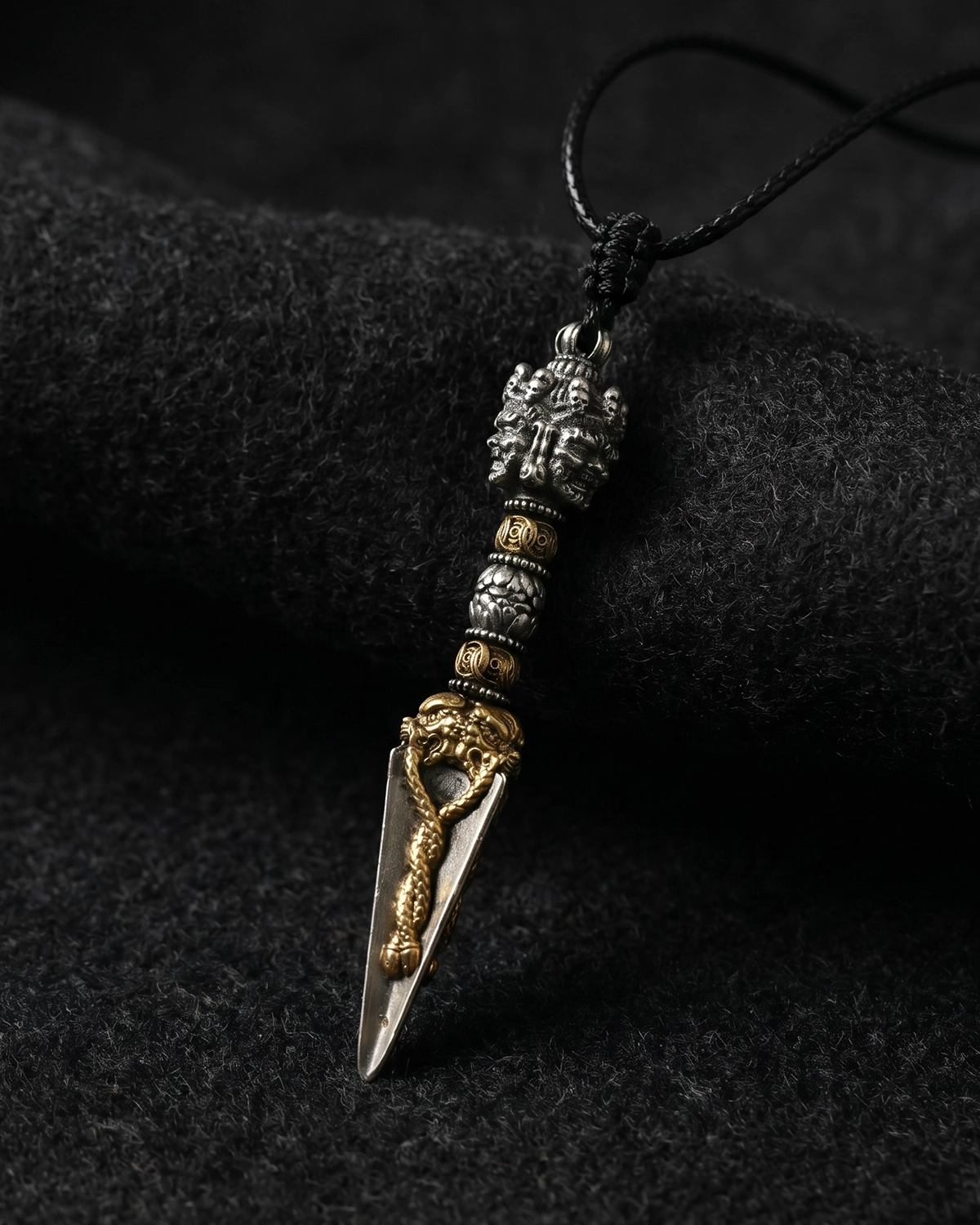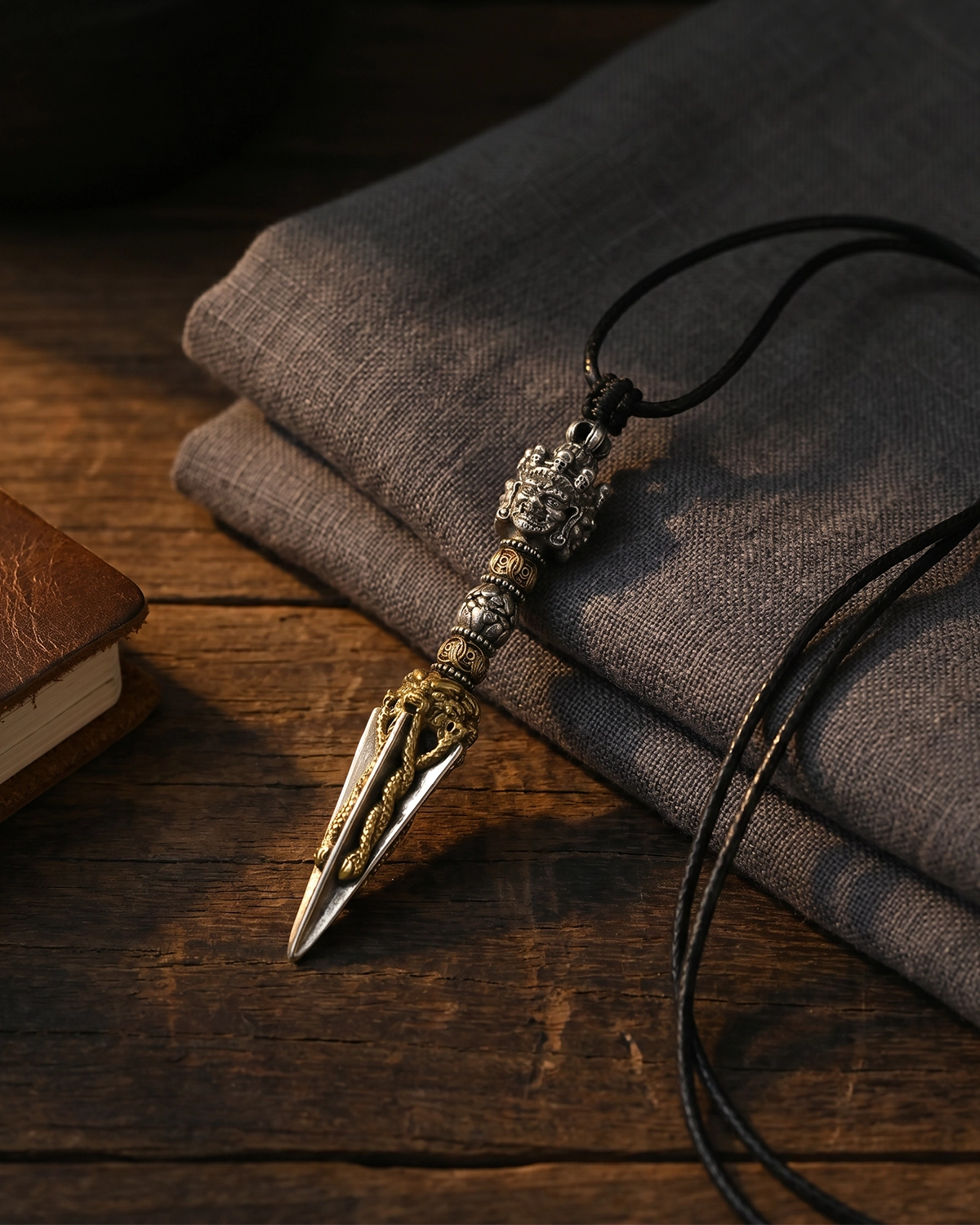
Shop All KTS Jewelry, Ritual Objects, and Symbolic Adornments
1. What can I find in the Shop All collection?
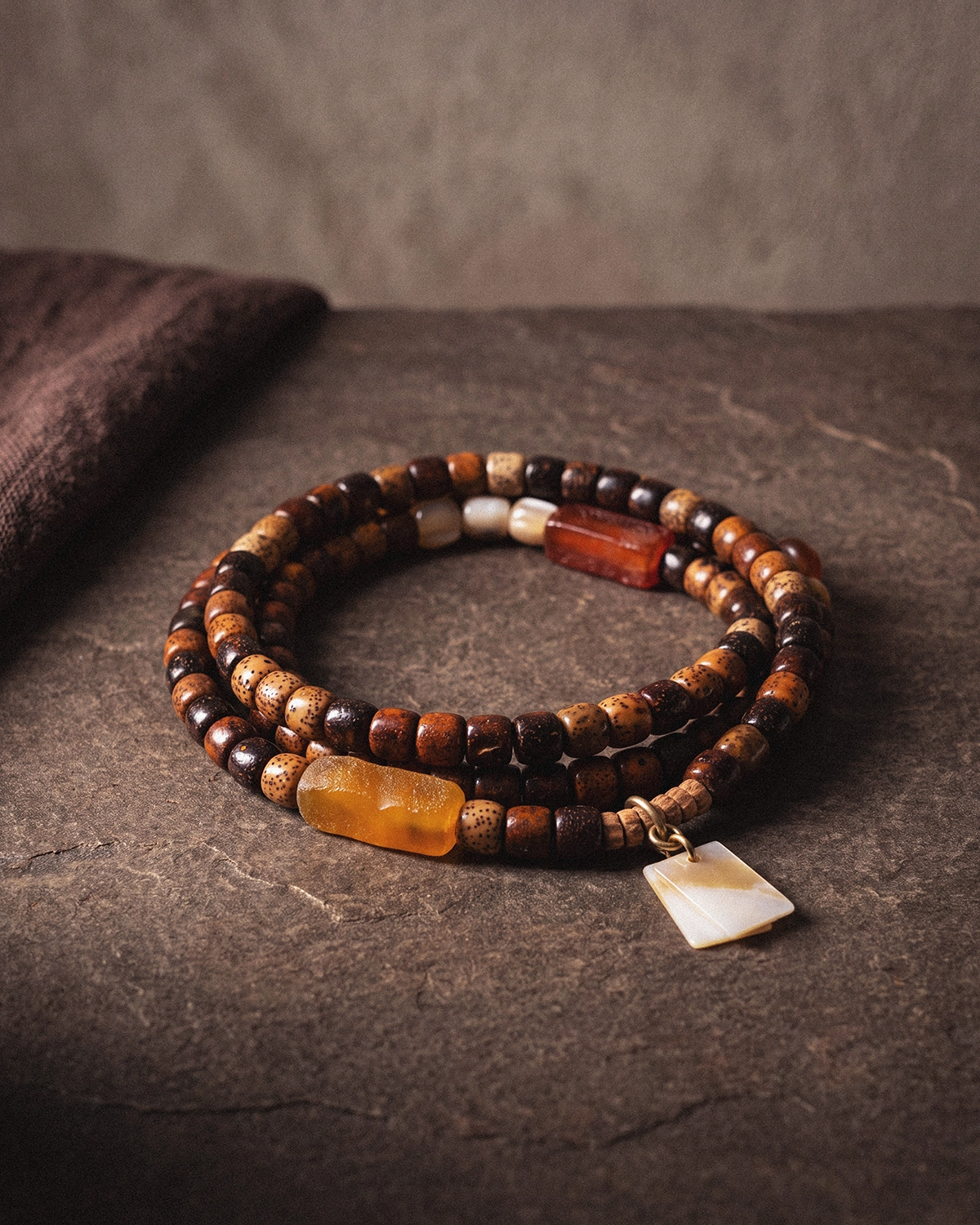
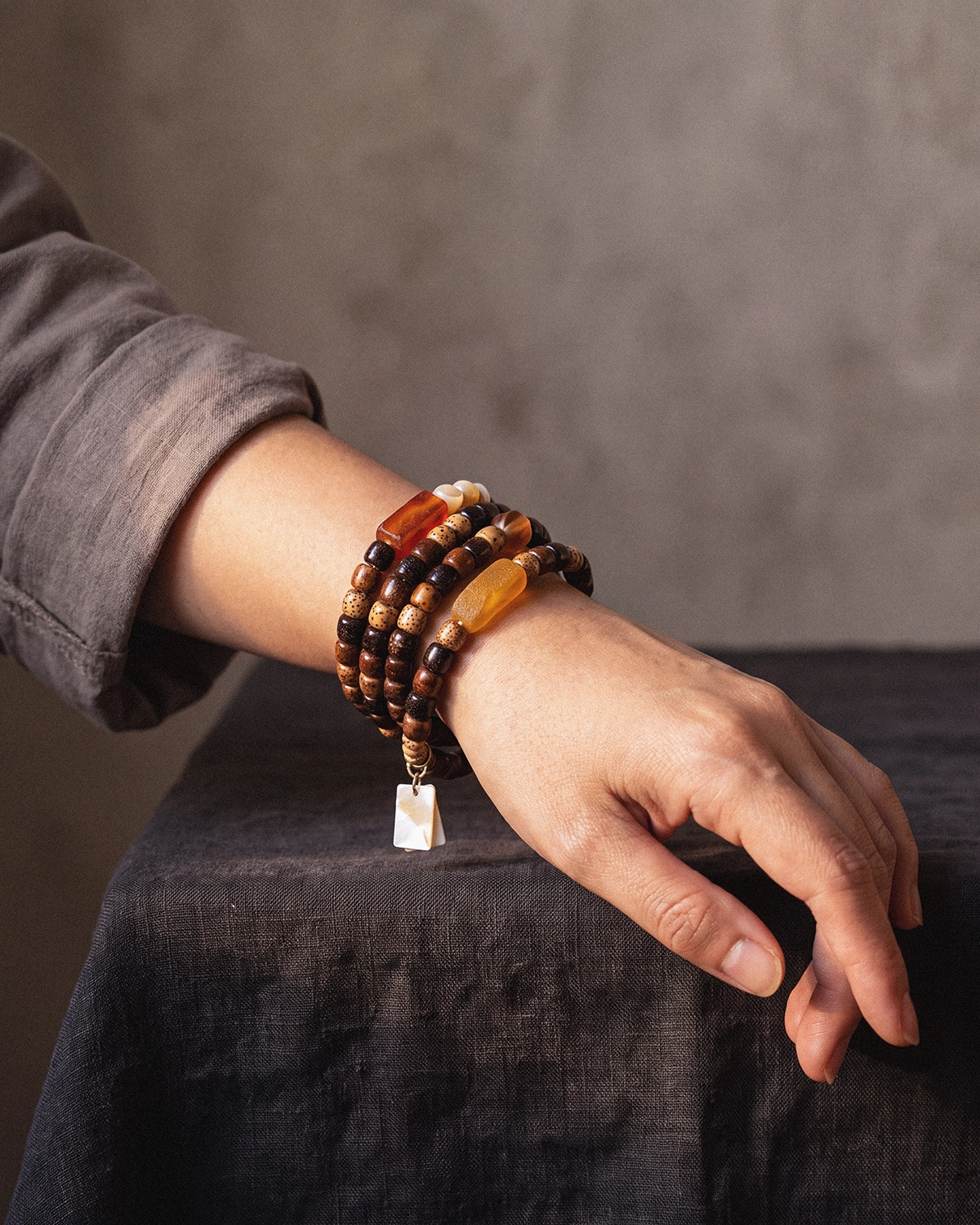
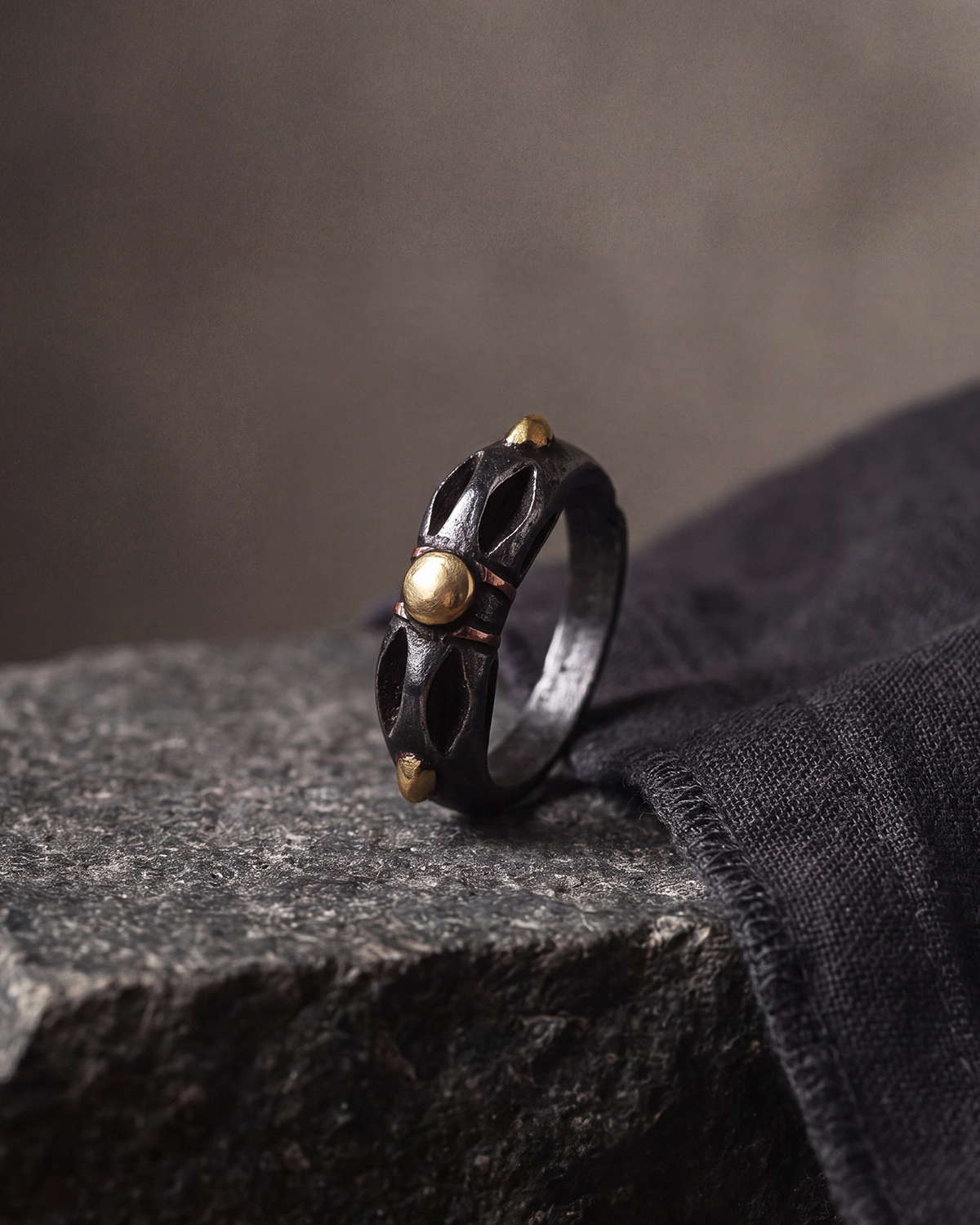
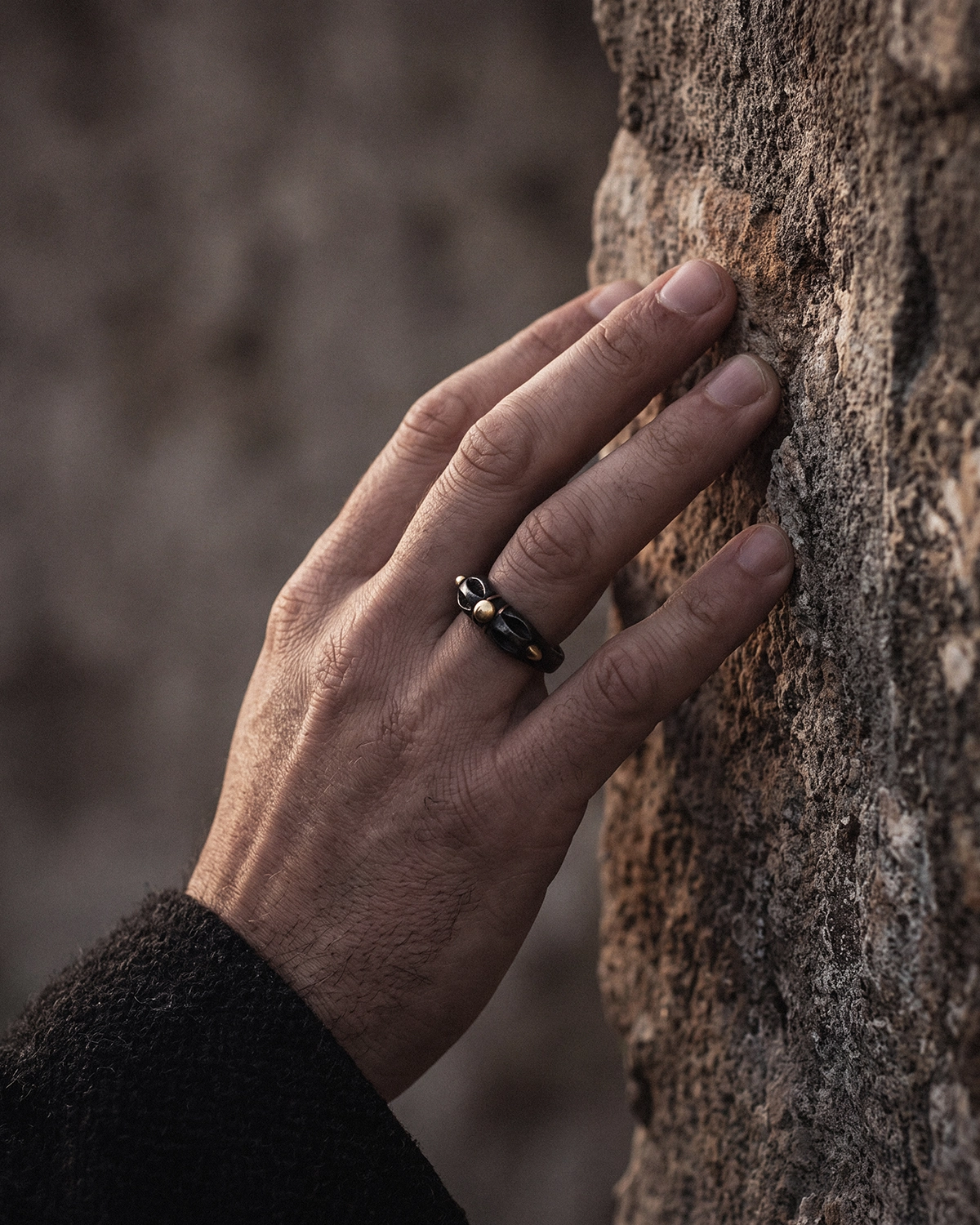
The Shop All collection gathers the full Kailash to Shambhala world in one place, including Tibetan-inspired jewelry, pendants, bracelets, rings, personal talismans, altar objects, ritual decor, car amulets, door blessings, desk objects, and symbolic home adornments. It is the broadest way to explore the brand across wearable pieces, home objects, and modern ritual accessories.
2. What is ritual jewelry in the KTS context?
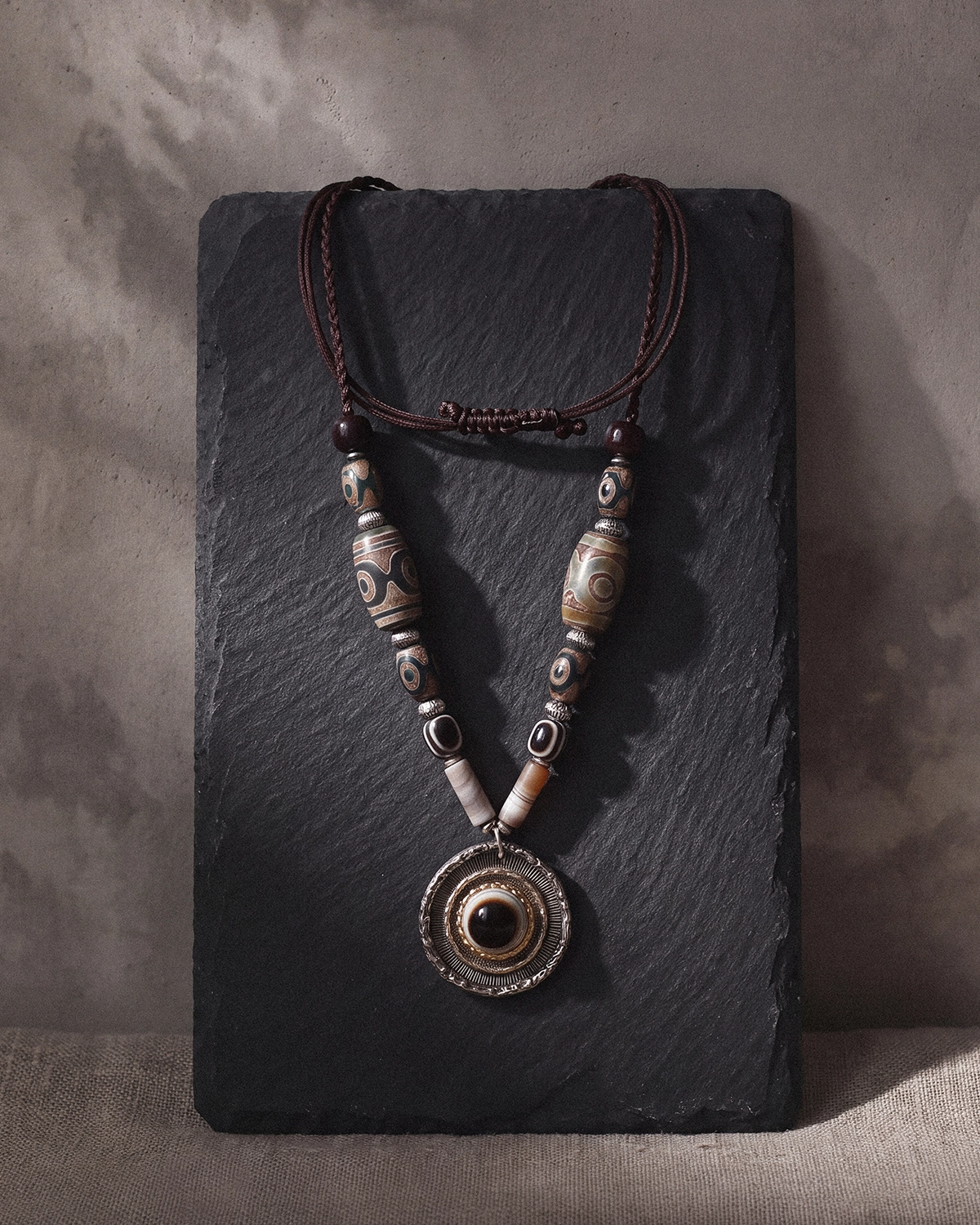
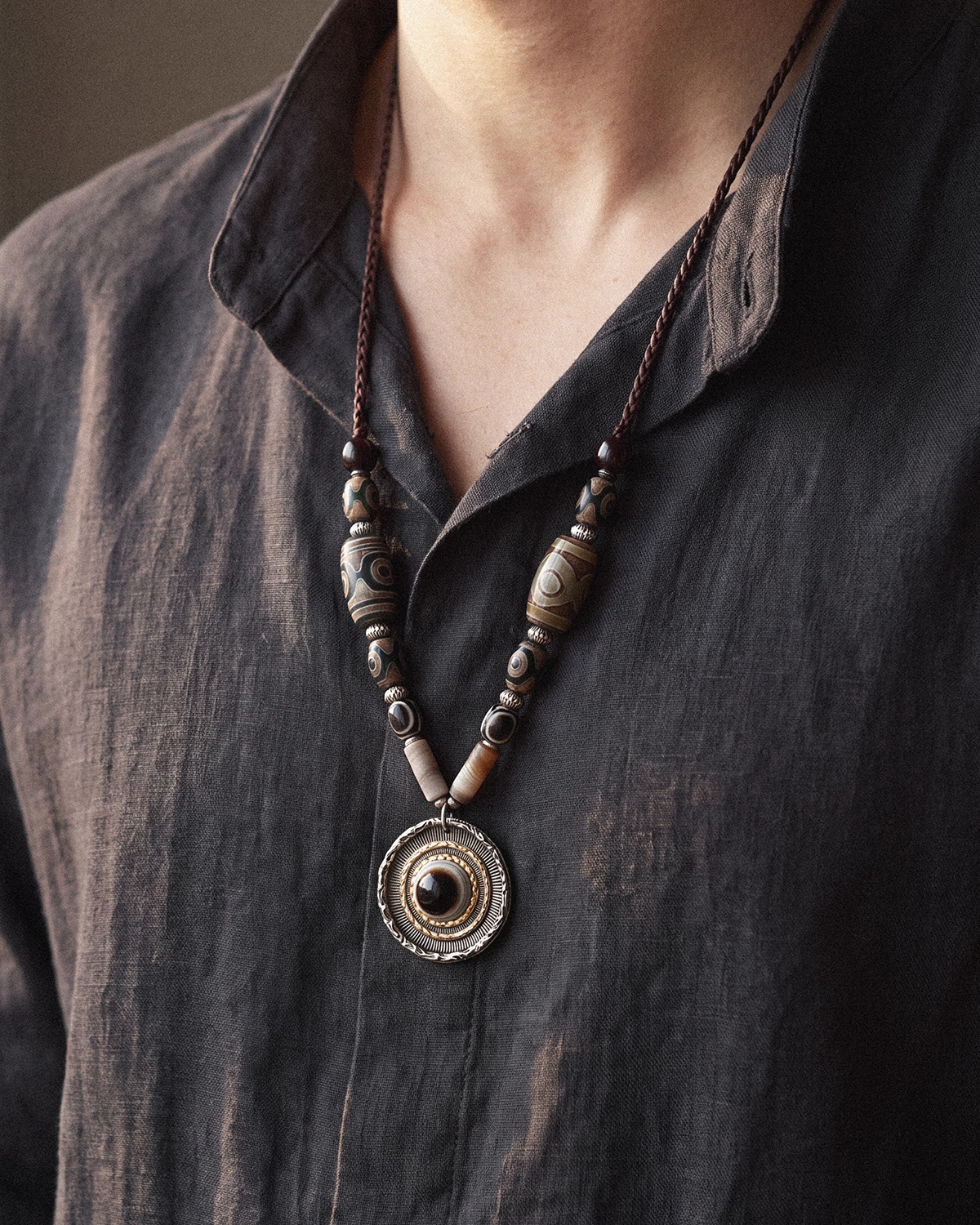
Ritual jewelry refers to wearable objects that carry symbolic presence without claiming supernatural results. A pendant, bracelet, ring, necklace, or beaded piece may serve as a tactile reminder of intention, boundary, clarity, grounding, or inner order. In the KTS context, ritual jewelry is personal, restrained, and materially specific rather than loud, mystical, or trend-driven.
3. How are altar objects different from ordinary home decor?
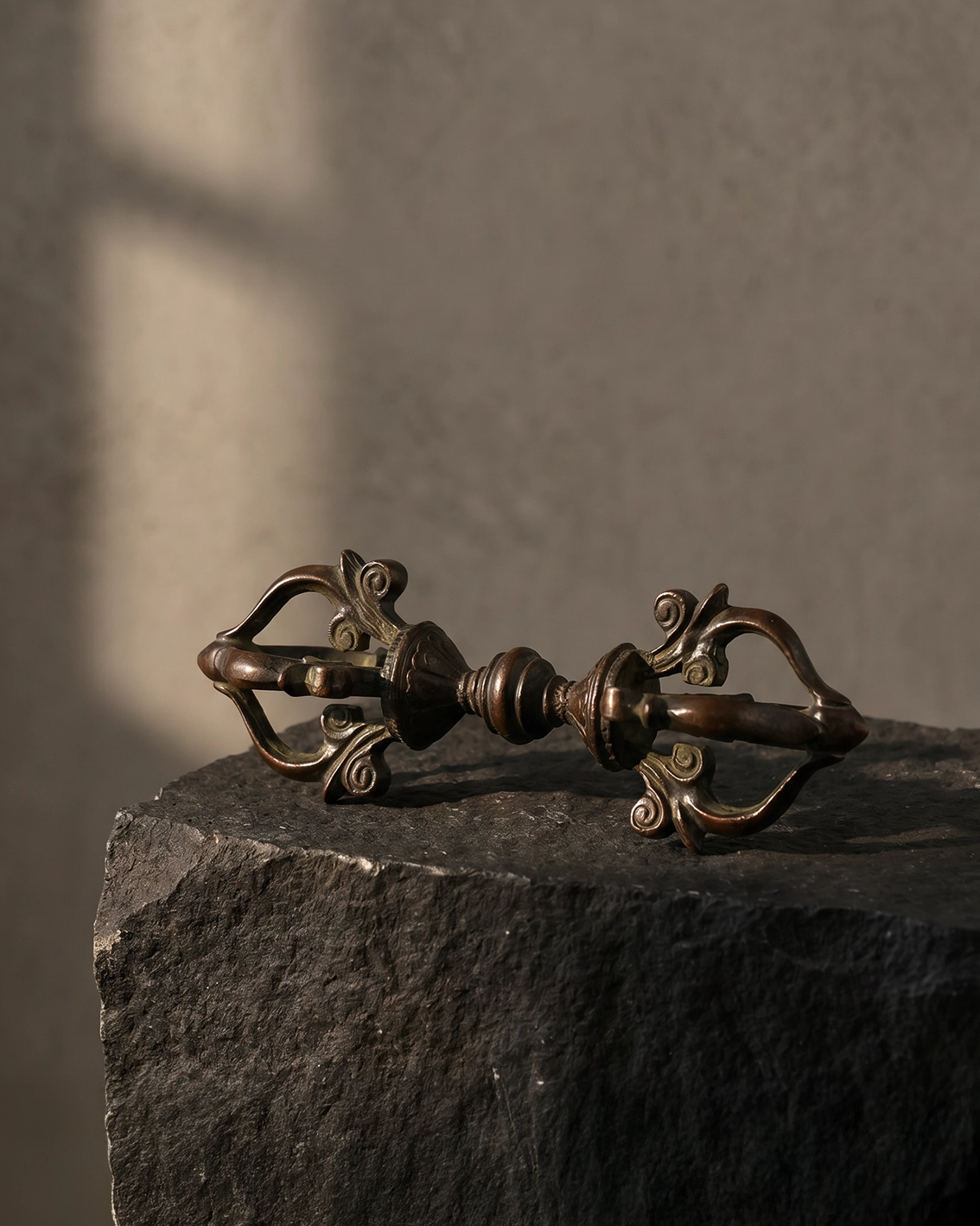
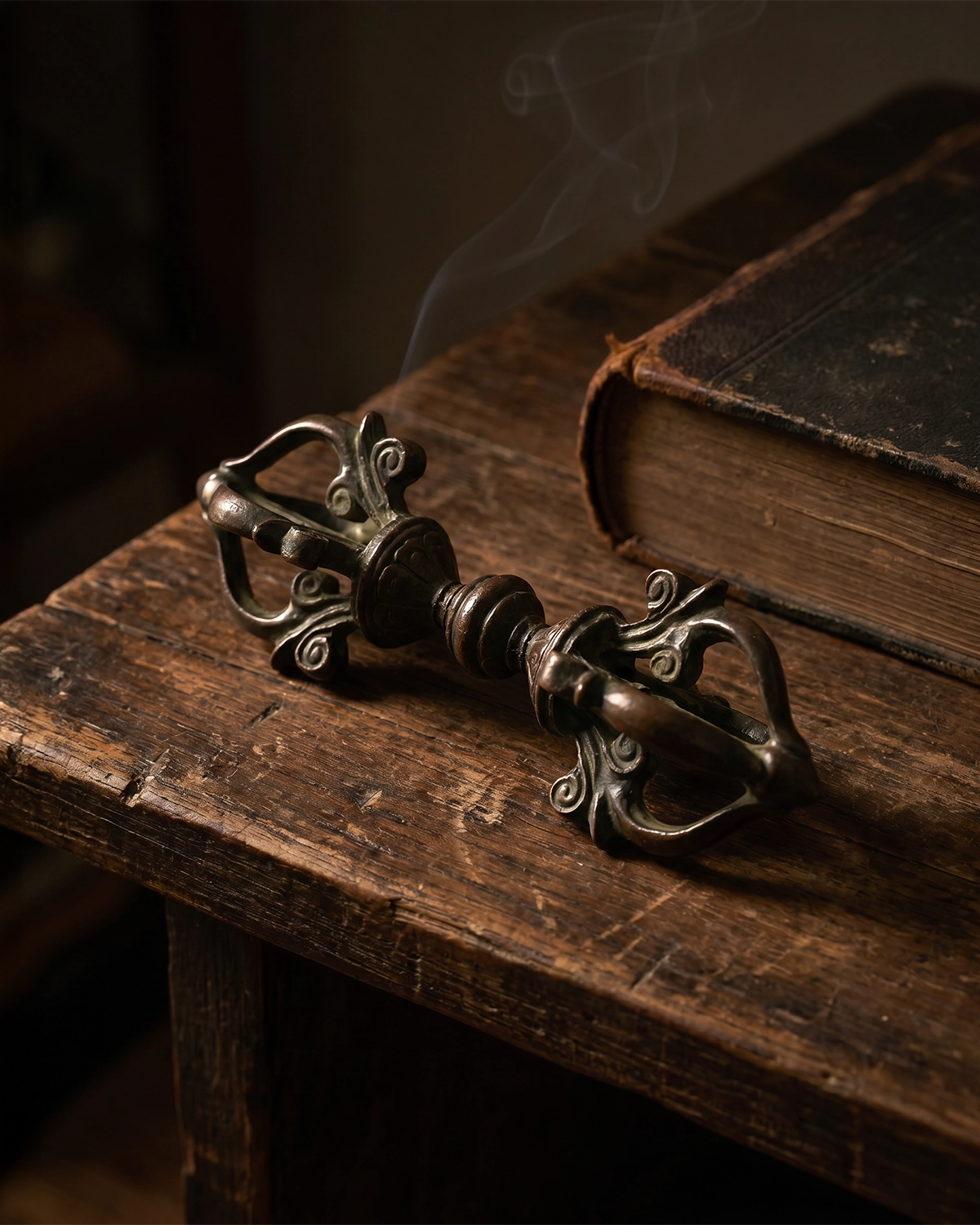
Altar objects are chosen for symbolic weight, material presence, and quiet placement rather than decoration alone. They may belong on a meditation shelf, personal altar, desk, bookshelf, nightstand, mantel, or ritual corner. Their role is to hold attention, mark stillness, and give a space a sense of intention without becoming overdecorated or theatrical.
4. What makes an object a symbolic adornment?
A symbolic adornment is an object that carries meaning through form, material, motif, placement, or daily use. It may be worn on the body, placed in a room, carried during travel, or used as part of a small personal ritual. Its value comes from the relationship between symbol, material, and intention, not from a promise of luck, healing, or guaranteed protection.
5. Does Himalayan-inspired mean the items are made in Tibet?
No. Himalayan-inspired describes the symbolic and aesthetic direction of the brand, not a claim of origin. Unless a specific product page provides verified details, KTS does not claim that an item is made in Tibet, blessed by monks, temple-sourced, antique, consecrated, or ritually used. The safer framing is Tibetan-inspired, Himalayan-inspired, or Buddhist-inspired.
6. Does KTS jewelry provide spiritual protection?
KTS may use protection language only in a symbolic and culturally respectful way. A bracelet, pendant, ring, or amulet may serve as a reminder of boundary, steadiness, and quiet guardianship, but it is not presented as supernatural armor or guaranteed protection. The emphasis is on symbolic protection, personal intention, and grounded presence.
7. Where can these ritual objects be placed in a home?
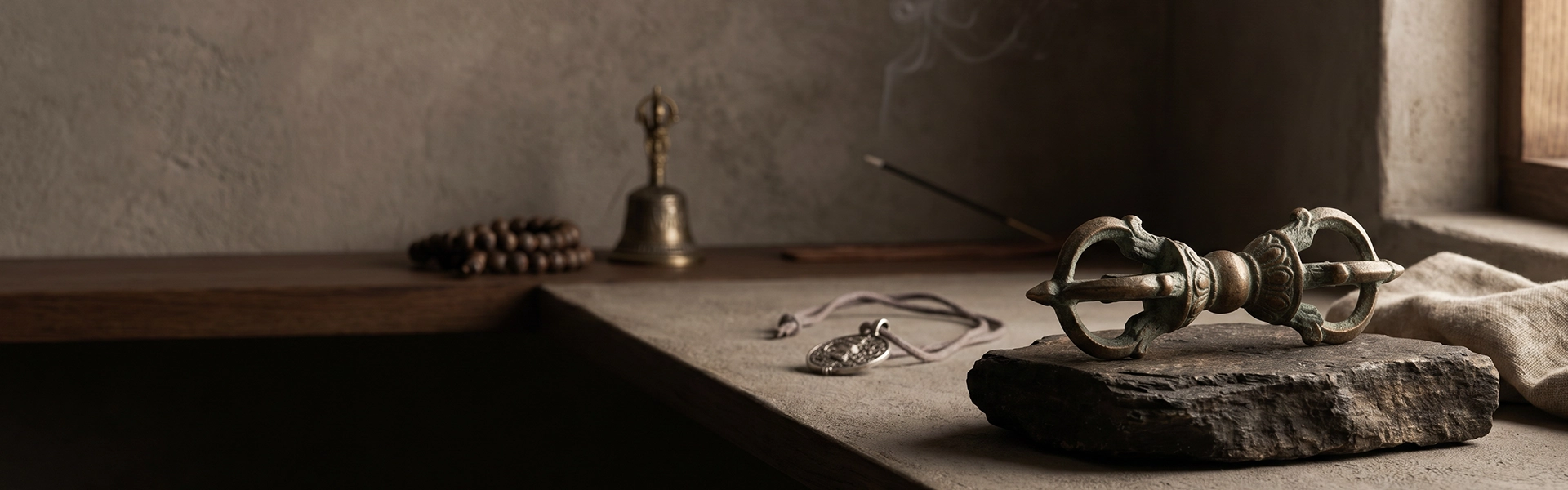
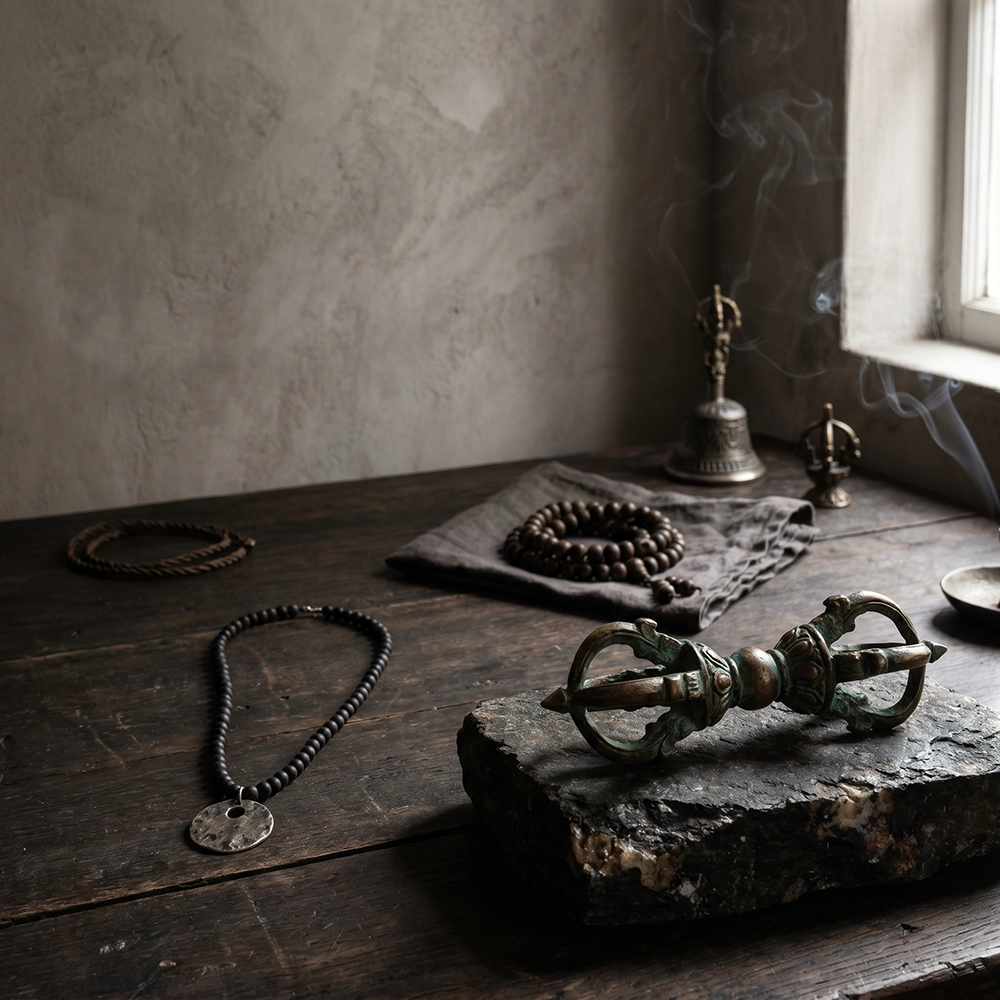
KTS objects work best in quiet and intentional spaces such as a personal altar, meditation corner, dark wood desk, bookshelf, entryway console, nightstand, mantel, living room side table, car interior, or travel ritual kit. The strongest styling uses breathing room, aged metal, raw stone, dark wood, linen, shadow, and restraint rather than crowded props or bright religious display.
8. Are these pieces suitable as meaningful gifts?
Yes. Many KTS pieces can be given as meaningful gifts for people drawn to symbolic jewelry, quiet ritual objects, Buddhist-inspired forms, mindful home decor, or personal talismans. The best gift language is clarity, steadiness, protection as boundary, grounding, devotion, and intention rather than promises of wealth, luck, healing, or life transformation.
9. What is a personal talisman in this collection?
A personal talisman is a small symbolic object carried, worn, or placed nearby as a reminder of chosen intention. It may be a pendant, bracelet, ring, bead, charm, amulet, or small ritual object. In the KTS world, a talisman is not a magical device. It is a material anchor for attention, boundary, memory, and return.
10. How should I choose a piece from Shop All?
Begin with how you want the object to live with you. Choose jewelry if you want the symbol close to the body, an altar object if you want a visual anchor for a room, a car amulet for travel, a door blessing for threshold symbolism, or a desk object for focus and daily return. Then consider material, scale, symbol, and placement.
11. How should Buddhist-inspired decor be approached respectfully?
Buddhist-inspired decor should be approached with restraint, clarity, and cultural respect. Avoid using sacred forms as cheap novelty, exotic decoration, or exaggerated spiritual promise. KTS frames these objects as symbolic, aesthetic, and ritual-adjacent pieces for modern Western homes, not as authorized religious implements unless verified product data states otherwise.
12. What makes KTS objects different from generic spiritual products?
KTS objects are shaped by quiet luxury, Himalayan-inspired symbolism, dark wabi-sabi restraint, tactile materials, and claim-safe meaning. The brand avoids chakra-coded language, loud New Age promises, fantasy occult styling, and cheap good-luck trinket energy. Each piece should feel like a quiet anchor of intention, not a mass spiritual gadget.