


Gift Rituals, Meaningful Spiritual Gifts, and Quiet Giving
1. What is included in the Gift Rituals collection?
The Gift Rituals collection gathers KTS objects suited to meaningful giving, including small altar objects, symbolic jewelry, hanging charms, bead strands, desk objects, travel pieces, incense-related objects used safely, and quiet home accents. These gifts are chosen for material presence, symbolic meaning, and the way they can support grounding, continuity, devotion, and return.
2. What makes a spiritual gift meaningful?
A meaningful spiritual gift should carry more than surface decoration. In the KTS context, it may hold symbolic value through form, material, placement, or daily use. The strongest gifts feel quiet, tactile, and intentional, offering a reminder of care, boundary, steadiness, or return without promising luck, healing, wealth, or supernatural protection.
3. What is a ritual gift in the KTS context?
A ritual gift is an object given with attention to meaning, timing, and the life of the person receiving it. It may belong on a desk, altar shelf, entryway surface, meditation corner, bedside table, or travel kit. In KTS language, the ritual is not performance; it is care made visible through a chosen object.
4. What kinds of KTS objects work well as gifts for the home?
For the home, choose objects that can live naturally on a shelf, mantel, entryway console, bedside table, reading corner, or personal altar. Small symbolic sculptures, vessels, incense holders used safely, hanging pieces, and bead strands can work well when the recipient values quiet atmosphere, grounded materials, and meaningful interiors.
5. Can KTS objects be given as altar gifts?
Yes. A KTS object can be given as an altar gift when it feels respectful, restrained, and suited to the recipient's personal practice. A small vessel, symbolic object, bead strand, or incense-related piece may become part of a personal altar or meditation shelf. It should be framed as a gift of intention, not spiritual authority.
6. What makes a good meditation gift?
A good meditation gift should support quiet attention without overwhelming the space. A small symbolic object, bead strand, incense holder used safely, or grounded material piece can help create a point of return in a meditation room. The gift should feel calm, tactile, and easy to live with rather than decorative or theatrical.
7. Are KTS objects suitable as housewarming gifts?
Yes. A KTS object can be a thoughtful housewarming gift for someone shaping a quieter home, entryway, bookshelf, mantel, or personal sanctuary. The safest language is welcome, grounding, continuity, symbolic boundary, and quiet blessing as intention. Avoid framing the gift as guaranteed luck, wealth, protection, or spiritual cleansing.
8. Can a KTS object be given as a protection gift?
Yes, but protection should be understood symbolically. A KTS protection gift may speak to boundary, steadiness, quiet guardianship, and care rather than literal supernatural protection. Door blessings, travel charms, hanging objects, or carried talismans can be meaningful when presented as reminders of attention and inner steadiness.
9. How should a good luck gift be described safely?
KTS does not present objects as guaranteed good luck. A safer way to describe this kind of gift is auspicious symbolism, quiet blessing, fortunate intention, or a meaningful object of return. This keeps the language respectful and grounded while still acknowledging the emotional reason someone may want to give a symbolic gift.
10. Does Tibetan-inspired gift mean the item is made in Tibet?
No. Tibetan-inspired describes the symbolic or aesthetic direction of an object, not a verified origin claim. Unless a product page provides confirmed sourcing details, KTS does not claim that an item is made in Tibet, monk-blessed, temple-sourced, antique, consecrated, or ritually used. The language remains respectful, grounded, and claim-safe.
11. How should a KTS spiritual gift be presented?
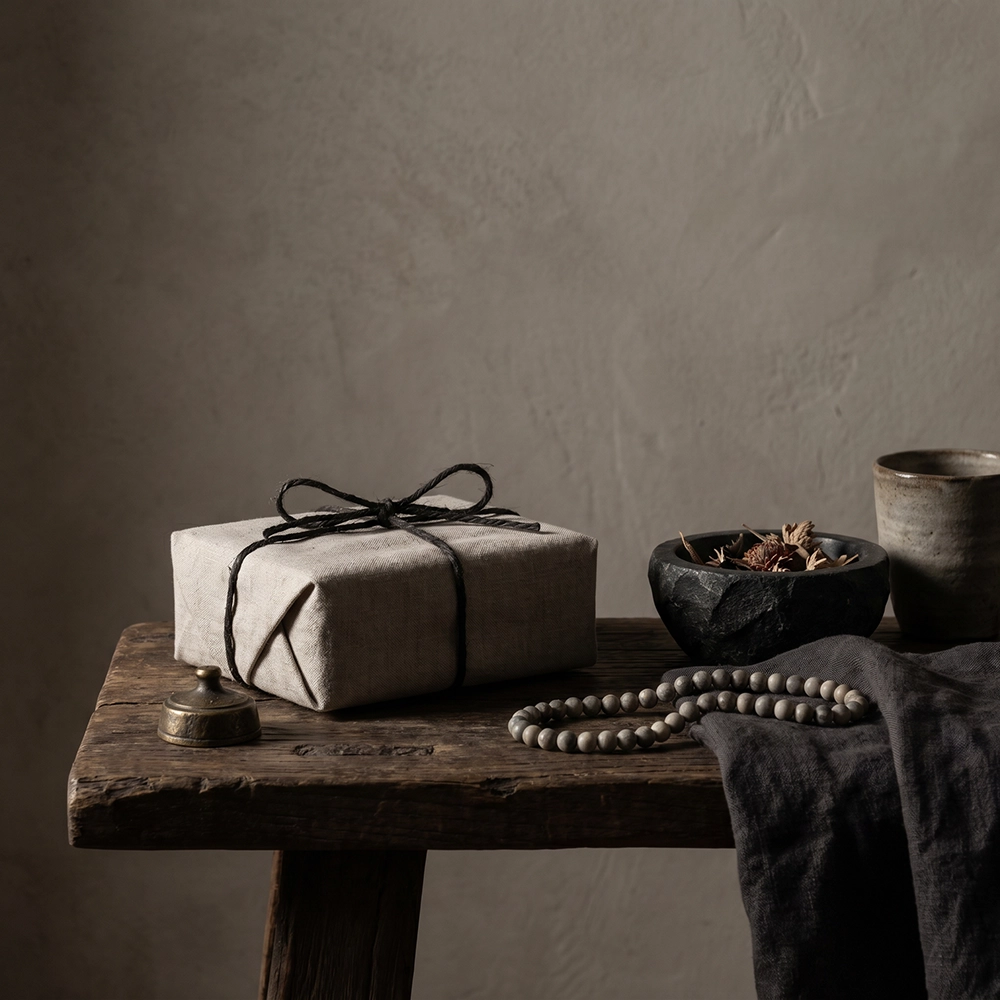
Present it with restraint. Neutral linen, dark paper, raw ribbon, a simple pouch, or a quiet surface can support the object without turning it into a commercial display. Avoid excessive decoration, bright spiritual styling, or written claims. Let the material, form, and intention of the object carry the meaning.
12. What is a meaningful gift for someone who practices meditation?
For someone who practices meditation, choose an object that supports stillness, attention, and return without demanding performance. A bead strand, incense holder used safely, small vessel, symbolic sculpture, or altar-adjacent piece can be meaningful when it fits their space and practice rhythm. Quiet usefulness matters more than dramatic symbolism.