Meditation & Yoga Studio Objects, Quiet Practice, and Symbolic Space
1. What is included in the Meditation & Yoga Studio collection?
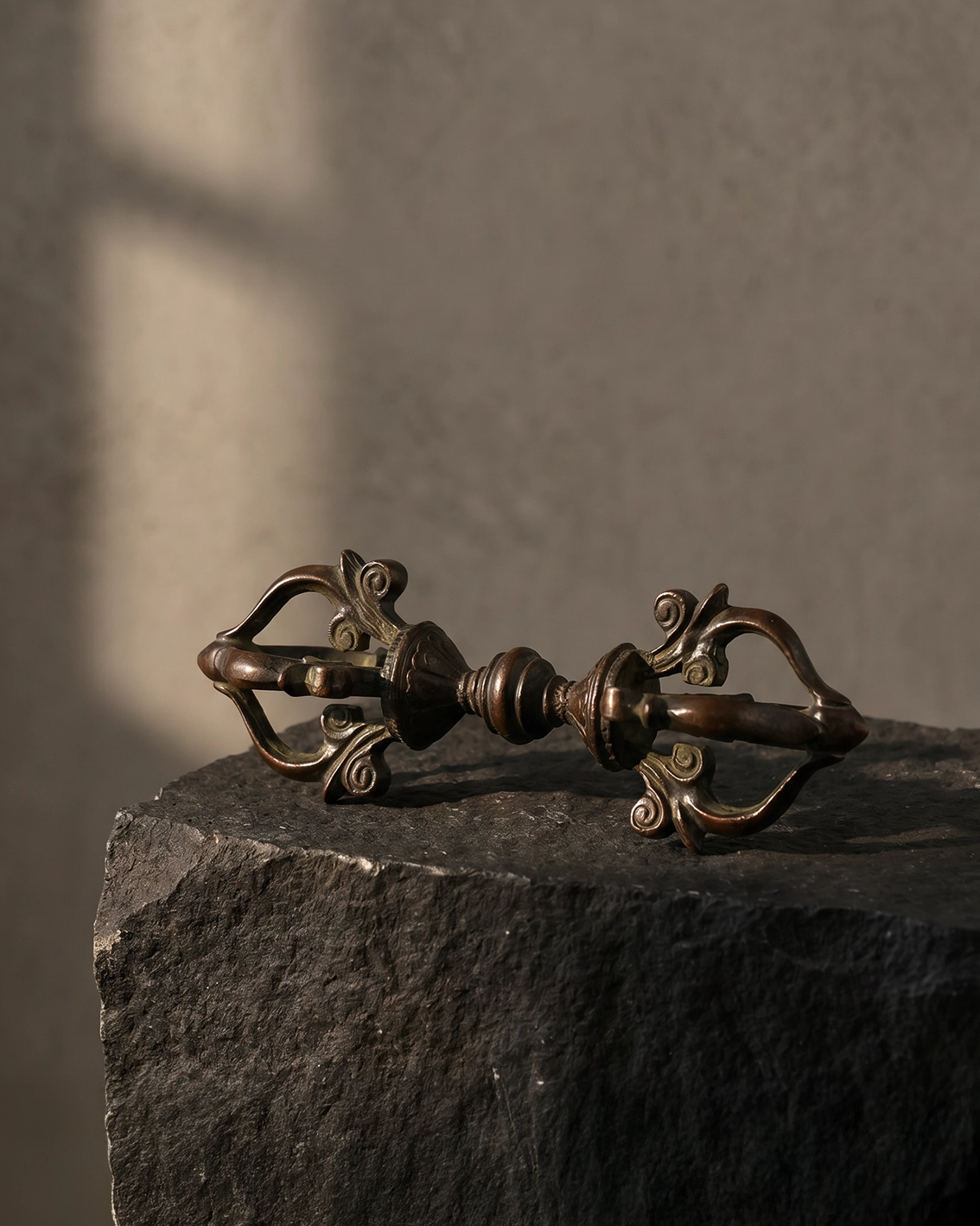
The collection gathers KTS objects suited to meditation rooms, yoga spaces, breathwork corners, and quiet home sanctuaries. It may include altar objects, incense holders used safely, bead strands, symbolic sculptures, small vessels, and restrained hanging pieces chosen for material presence, atmosphere, and quiet ritual use.
2. What makes an object suitable for meditation room decor?
A meditation room object should support calm attention without overwhelming the space. In the KTS context, that usually means clear form, grounded materials, and quiet symbolic presence. Aged metal, muted ceramic, raw stone, or bead texture can help create a room of return rather than a decorative display.
3. How is KTS yoga studio decor different from ordinary decor?
Ordinary decor may simply fill a room or match a palette. KTS yoga studio decor is chosen for atmosphere, material depth, and the way it supports practice without distraction. The strongest pieces feel restrained, breathable, and integrated into a modern Western studio rather than bright, crowded, or theatrically spiritual.
4. What kinds of objects work well in a meditation space?
Meditation spaces usually work best with only a few quiet objects. A small symbolic sculpture, incense holder used safely, bead strand, ceramic vessel, or altar-adjacent object can help define the room. The arrangement should feel spacious and intentional rather than crowded, decorative, or shrine-like.
5. Can symbolic objects belong naturally in a yoga practice room?
Yes. Symbolic objects can sit naturally in a yoga practice room when they are placed with restraint and given breathing room. One well-chosen object near a wall, shelf, or corner can shape the room's emotional tone without interfering with movement, floor space, or the practical needs of daily practice.
6. Does a meditation or yoga studio need a formal altar?
No. A studio can hold altar-adjacent objects without becoming a formal altar. In KTS language, one or two meaningful pieces may be enough to create a quieter point of return. The room remains a lived practice space rather than a performance space or a display of spiritual identity.
7. Can an incense holder be used in a meditation or yoga room?
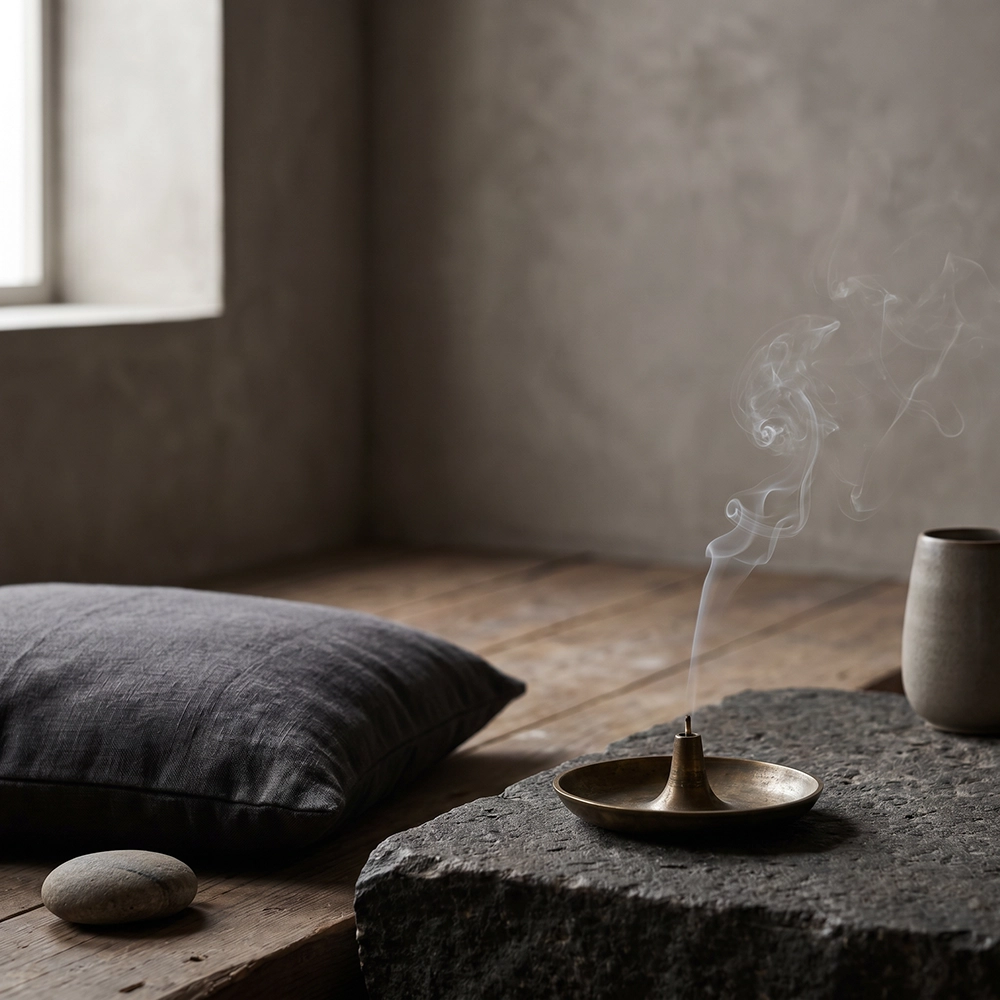
An incense holder can belong in a meditation or yoga room when it is used safely and the space allows for ventilation, appropriate surfaces, and ash control. In the KTS context, incense is a quiet gesture of arrival or transition rather than a promise of cleansing, healing, or transformation.
8. How can a studio feel spiritual without becoming overstyled?
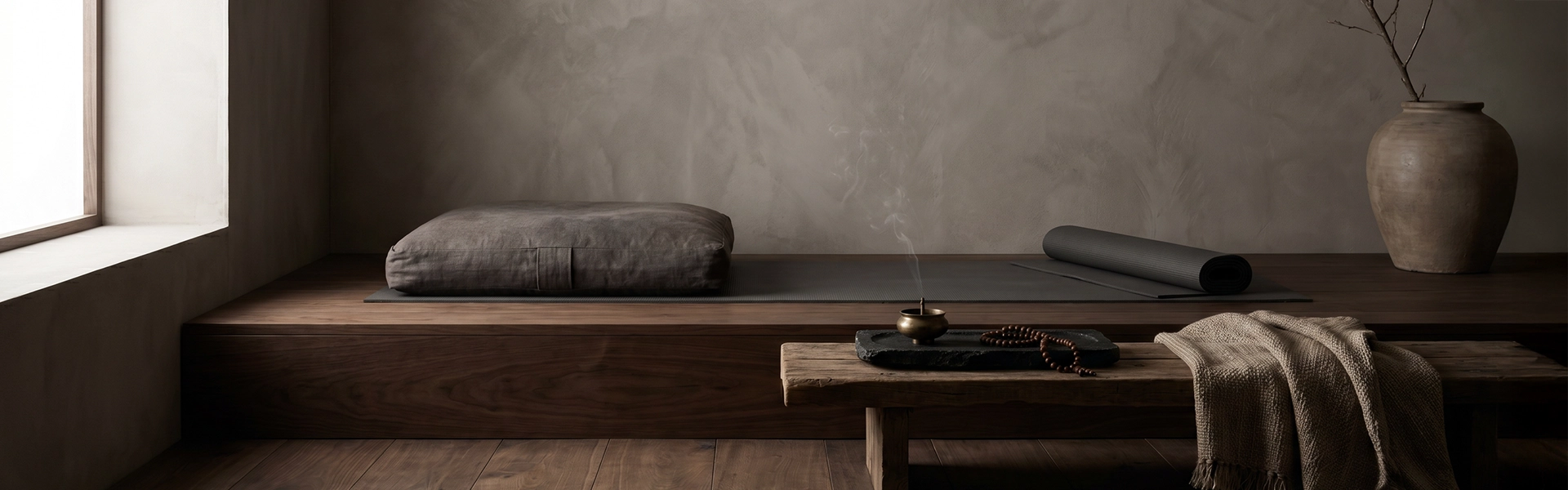
A meditation or yoga studio usually feels more spiritual through restraint than through accumulation. Open floor space, soft light, grounded materials, and one or two symbolic objects often do more than a crowded arrangement. The goal is not visual performance, but a room that supports steadiness, pause, and return.
9. How should Buddhist-inspired meditation decor be approached respectfully?
Buddhist-inspired decor should be approached with clarity, restraint, and cultural respect. KTS presents these objects as symbolic and aesthetic companions for modern ritual living, not as authorized religious implements unless verified product data states otherwise. Their role is quiet presence, not spiritual authority or exaggerated promise.
10. Does Tibetan-inspired yoga decor mean the item is made in Tibet?
No. Tibetan-inspired describes the symbolic or aesthetic direction of an object, not a verified origin claim. Unless a product page provides confirmed sourcing details, KTS does not claim that an item is made in Tibet, monk-blessed, temple-sourced, antique, consecrated, or ritually used.
11. How should KTS objects be styled in a meditation studio?
Style them with restraint. Use warm gray plaster, dark wood, raw stone, muted ceramic, linen, and soft shadow, and let one object act as the visual anchor. Preserve open floor area and avoid bright colors, crowded props, or overdecorated spiritual styling so the room remains calm and breathable.
12. Are Meditation & Yoga Studio objects suitable as meaningful gifts?
Yes. A meditation or yoga studio object can be a thoughtful gift for someone building a quiet home practice space or a room of return. The safest gift language is grounding, steadiness, devotion, symbolic boundary, and calm presence rather than healing claims, luck, or supernatural protection.