All Spaces, Ritual Corners, and Symbolic Objects for Daily Life
1. What is included in the All Spaces collection?
The All Spaces collection gathers KTS products by use context rather than by a single object type. It includes pieces for personal altars, mindful workspaces, nightstands, entryways, bookshelves, living rooms, mantels, wall and hanging spaces, meditation or yoga studios, travel and car interiors, and meaningful gift rituals. The category may include altar objects, incense holders, charms, wall hangings, door blessings, symbolic decor, beads, and Tibetan-inspired motifs.
2. What kinds of objects belong in a personal altar space?
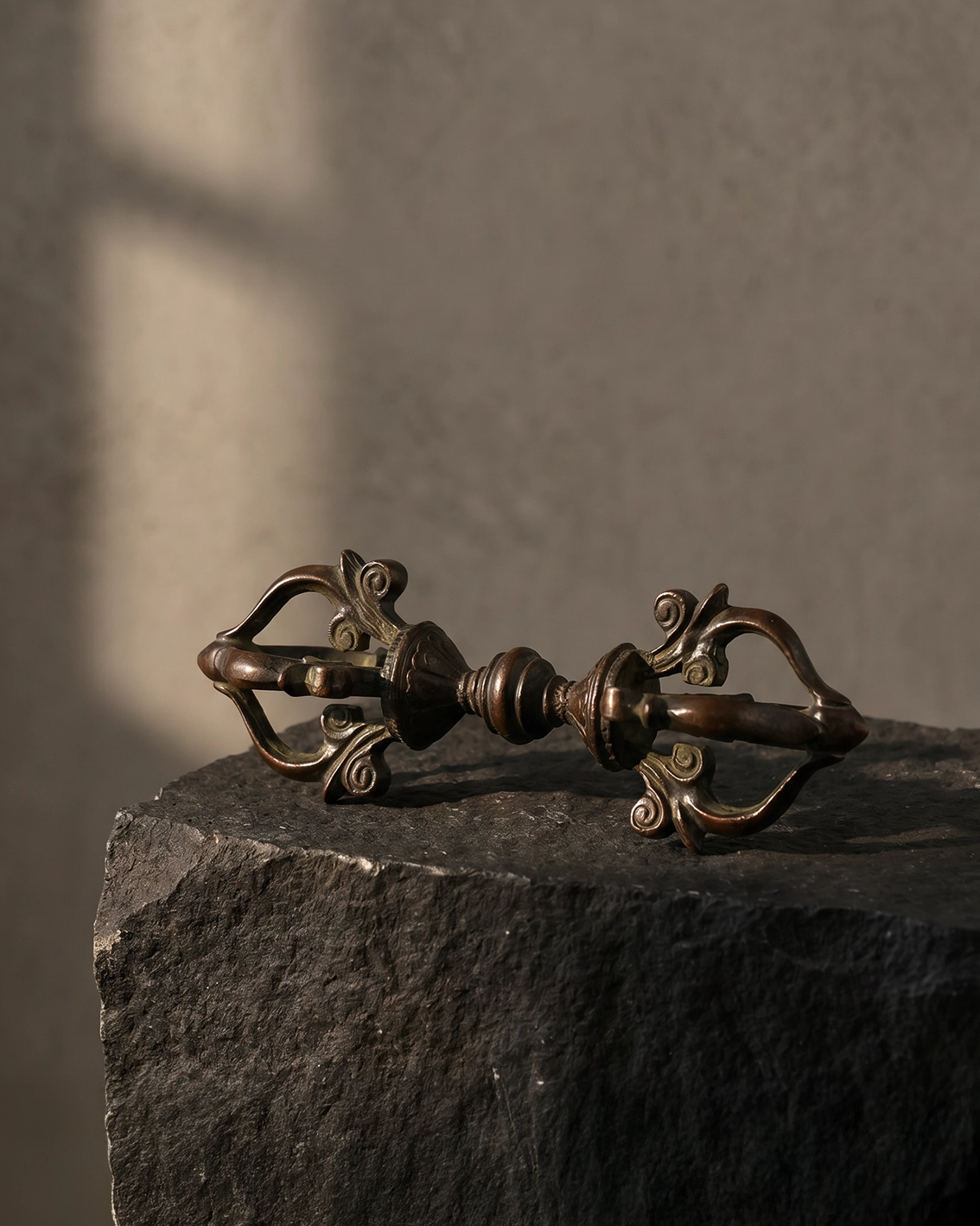
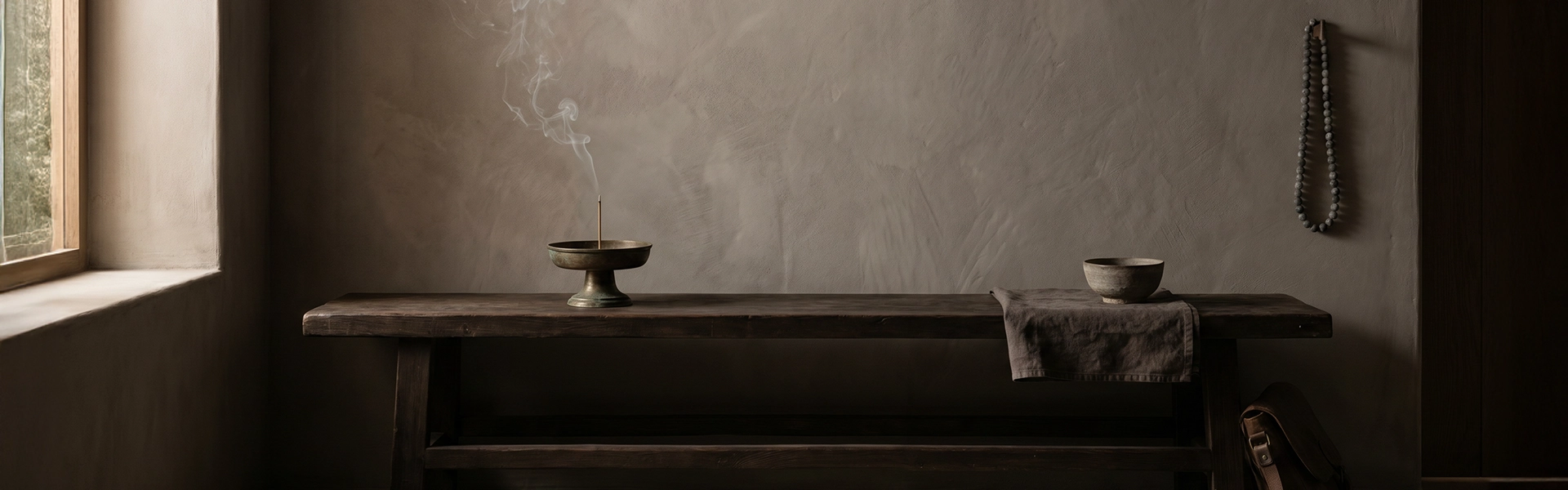
A personal altar space may hold objects with enough symbolic presence, material weight, and stillness to become a point of return. In KTS, this may include altar objects, aged metal forms, incense holders, beads, small vessels, symbolic sculptures, or Himalayan-inspired motifs. The object does not need to promise spiritual results; its role is to support intention, attention, memory, and inner order.
3. Can KTS objects belong in a mindful workspace?
Yes. A mindful workspace can hold a restrained symbolic object when the piece supports clarity without cluttering the desk. A small altar object, incense holder, bead strand, symbolic decor piece, or tactile charm may serve as a quiet reminder of boundary, attention, and focus. The strongest desk placement feels integrated, calm, and materially grounded rather than decorative or distracting.
4. What works best for a nightstand or bedside space?
Nightstand and bedside spaces work best with quiet, low-profile objects that support calm visual atmosphere. A small symbolic object, bead piece, raw stone tray, aged metal form, or incense-related object used safely can create a gentle point of return near the bed. KTS bedside styling should feel grounded, tactile, and restrained rather than crowded, theatrical, or overly spiritualized.
5. Why place symbolic objects near an entryway or threshold?
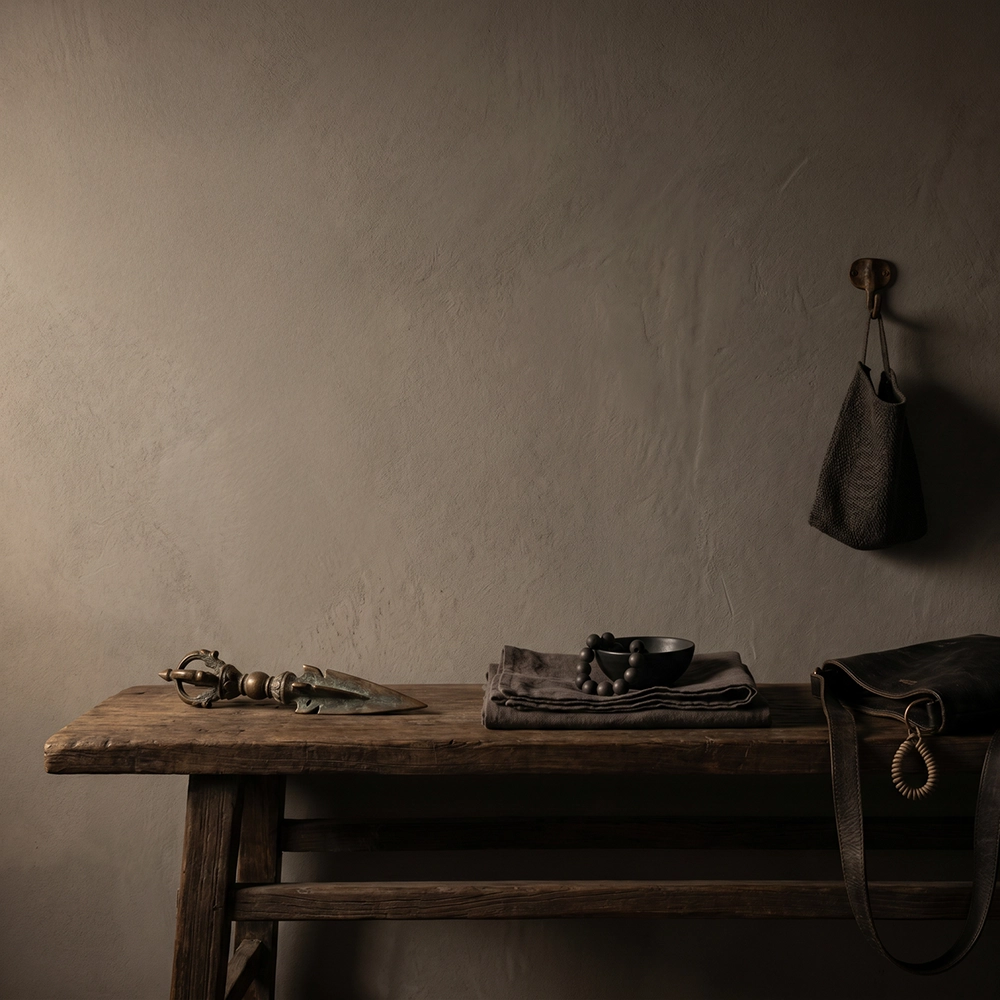
An entryway or threshold marks the movement between outside life and the interior of the home. A symbolic object near a doorway, console, hallway, or transition space can quietly speak to arrival, departure, boundary, and return. KTS frames this meaning symbolically and respectfully, not as a promise of supernatural protection, luck, cleansing, or guaranteed safety.
6. Can symbolic objects be styled on a bookshelf or library shelf?
Yes. Bookshelf and library spaces can hold symbolic objects beautifully when the arrangement stays spacious and restrained. A small sculptural form, Dzi-inspired detail, aged metal piece, incense-related object, bead strand, or hanging charm can sit among books, wood, stone, and shadow. The strongest styling gives the object a clear silhouette instead of crowding it with decorative clutter.
7. How can symbolic objects work in a living room?
In a living room, symbolic objects should feel integrated into the room rather than placed like a display. A KTS object may sit on a side table, shelf, console, mantel, or quiet corner where it can hold material presence without dominating the space. The goal is a refined interior moment of grounding, atmosphere, and symbolic depth, not a crowded shrine or themed decor setup.
8. What makes an object suitable for a mantel or ledge?
A mantel or ledge needs objects with clear silhouette, material contrast, and enough presence to read from a distance. KTS pieces with aged metal, carved form, raw stone, dark cord, or symbolic motifs can work well when given breathing room. Avoid lining up too many small objects with equal weight; one anchor piece and one quiet secondary element usually feels stronger.
9. What belongs in a wall or hanging space?
Wall and hanging spaces are suited to objects that shape vertical presence through cord, shadow, suspension, and silhouette. This may include wall hangings, door blessings, corded charms, Dzi-inspired hanging pieces, guardian motifs, or small symbolic ornaments. KTS hanging objects should feel restrained and tactile, not like boho macrame, colorful festival decor, or market-style wall display.
10. Can these objects be used in a meditation or yoga studio?
KTS objects may support a meditation or yoga studio when they create a quiet visual anchor without turning the room into a performance space. A sculptural object, incense holder, bead strand, wall hanging, or altar-adjacent piece can help mark the area as intentional. The object remains a material reminder of presence and return, not a shortcut to spiritual progress.
11. Why are Travel & Car included under Spaces?
KTS treats space not only as rooms, but also as the environments people move through. Travel bags, car interiors, and carried objects can become small ritual spaces when a charm or talisman is placed with intention. A travel or car charm should remain modest, secure, visually restrained, and symbolic rather than distracting, lucky-object driven, or presented as guaranteed protection.
12. How do Gift Rituals fit into the All Spaces collection?
Gift Rituals gather objects chosen for meaningful placement, personal symbolism, and the way a piece may enter someone’s home, workspace, doorway, travel kit, or altar corner. A KTS gift can speak to steadiness, devotion, grounding, quiet blessing as intention, symbolic protection as boundary, or inner order. The safest gift language avoids promises of luck, healing, wealth, or supernatural protection.