

Lotus Meaning, Quiet Emergence, and Symbolic Adornment
1. What is included in the Lotus collection?
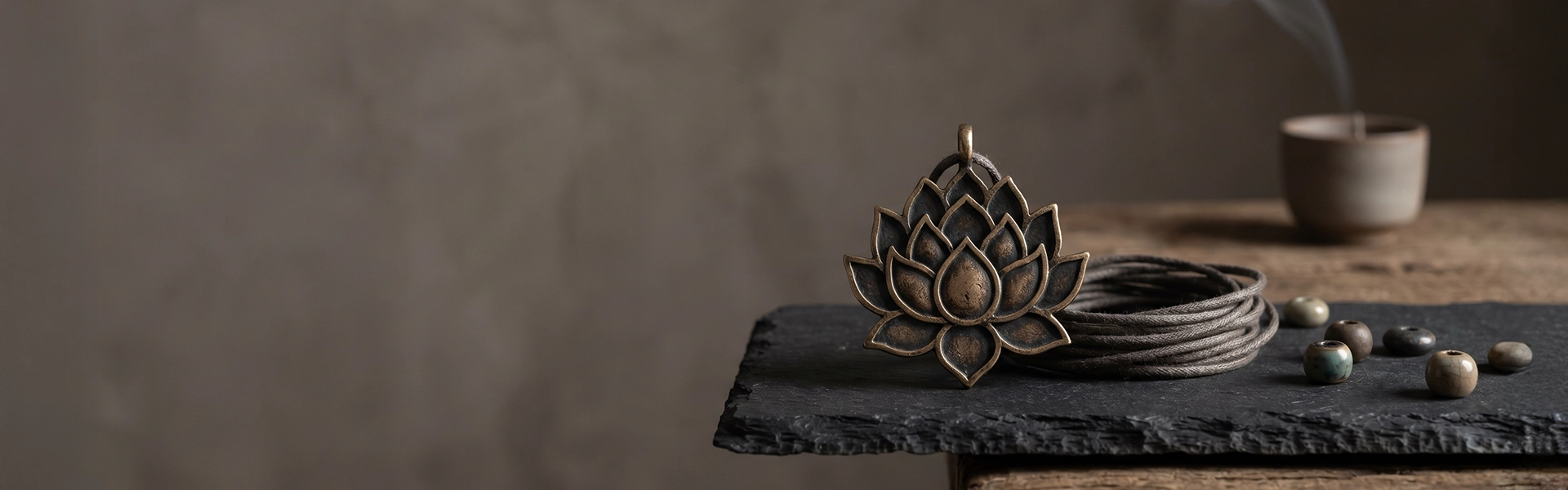
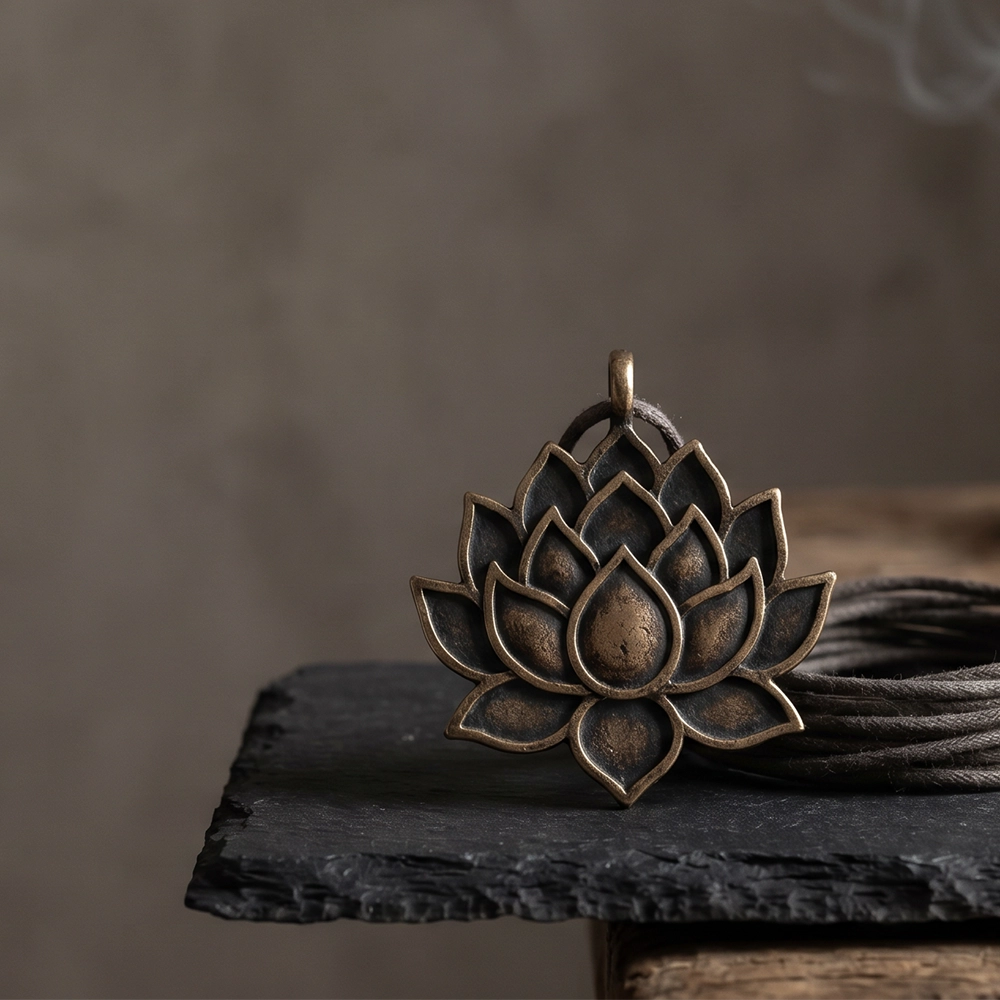
The Lotus collection gathers KTS products shaped around the lotus motif, including pendants, necklaces, bracelets, rings, earrings, charms, hanging pieces, altar objects, and symbolic home decor. The exact styles may vary by product, but the category is centered on quiet emergence, composure, devotion, beauty through difficulty, and restrained ritual presence.
2. What does the Lotus mean in the KTS context?
In the KTS context, the Lotus is approached as a symbol of quiet emergence, composure, devotion, and beauty held through difficulty. Its meaning is kept grounded and symbolic. It is not presented as a guarantee of healing, spiritual perfection, luck, transformation, or supernatural protection.
3. Does Tibetan-inspired Lotus mean the item is made in Tibet?
No. Tibetan-inspired describes the symbolic and aesthetic direction of a Lotus object, not a verified origin claim. Unless a specific product page provides confirmed details, KTS does not claim that an item is made in Tibet, monk-blessed, temple-sourced, antique, consecrated, or ritually used. The language remains respectful, symbolic, and claim-safe.
4. How should a Buddhist-inspired Lotus be approached respectfully?
A Buddhist-inspired Lotus should be approached with restraint, clarity, and cultural respect. KTS frames these objects as symbolic and aesthetic pieces for modern ritual living, not as authorized religious implements unless verified product data states otherwise. The strongest interpretation is quiet emergence, devotion, and composure without exotic display or exaggerated spiritual promise.
5. What does a Lotus pendant symbolize?
A Lotus pendant brings the layered petal motif close to the body as a small object of composure and return. It may suggest quiet emergence, devotion, emotional steadiness, or beauty held through difficulty. KTS frames the pendant as a personal material anchor, not as a magical charm, healing object, or source of guaranteed transformation.
6. Is a Lotus necklace a meaningful gift?
A Lotus necklace can be a meaningful gift when chosen for its symbolism, material tone, and relationship to the person receiving it. It may express steadiness, devotion, quiet emergence, blessing as intention, or inner composure. The strongest gift language is sincere and symbolic, not based on promises of luck, healing, perfection, or life transformation.
7. What makes a Lotus bracelet meaningful?
A Lotus bracelet keeps the symbol close to the wrist, where movement, touch, work, and daily attention meet. In KTS language, it may serve as a tactile reminder of composure, return, and quiet emergence. Its value lies in symbolic presence and material contact, not in guaranteed outcomes.
8. What does a Lotus ring represent?
A Lotus ring gives the motif a compact presence on the hand. It can be understood as a quiet reminder of devotion, composure, steadiness, and beauty through difficulty. The meaning should remain grounded in form, material, and daily use rather than exaggerated spiritual claims or promises of personal transformation.
9. How should Lotus earrings be understood?
Lotus earrings frame the face with a small symbolic motif of quiet emergence and composure. In the KTS world, they are wearable objects of meaning, movement, and material presence rather than costume pieces or loud spiritual accessories. They work best when styled with restraint, natural fabrics, muted tones, and quiet modern clothing.
10. How can a Lotus charm be used?
A Lotus charm may be worn, attached to a bag, added to a hanging object, placed near a desk, or kept as a small personal talisman when the product design allows it. In KTS language, the charm may mark devotion, composure, memory, and return without promising luck, healing, wealth, or supernatural protection.
11. Where should Lotus decor be placed?
Lotus decor works well on a personal altar, bookshelf, dark wood desk, meditation shelf, nightstand, mantel, entryway console, or quiet ritual corner. Give the object breathing room and pair it with restrained materials such as aged metal, raw stone, dark wood, linen, and shadow rather than bright flower styling or crowded shrine display.
12. How should I choose a Lotus object from this collection?
Begin with how you want the symbol to live with you. Choose jewelry if you want the Lotus close to the body, a charm if you want a small carried reminder, a hanging piece for vertical space, or a decor object for a room or altar-adjacent setting. Then consider scale, material tone, petal detail, placement, and daily use.