All Symbols, Motifs, and Personal Ritual Objects
1. What is included in the All Symbols collection?
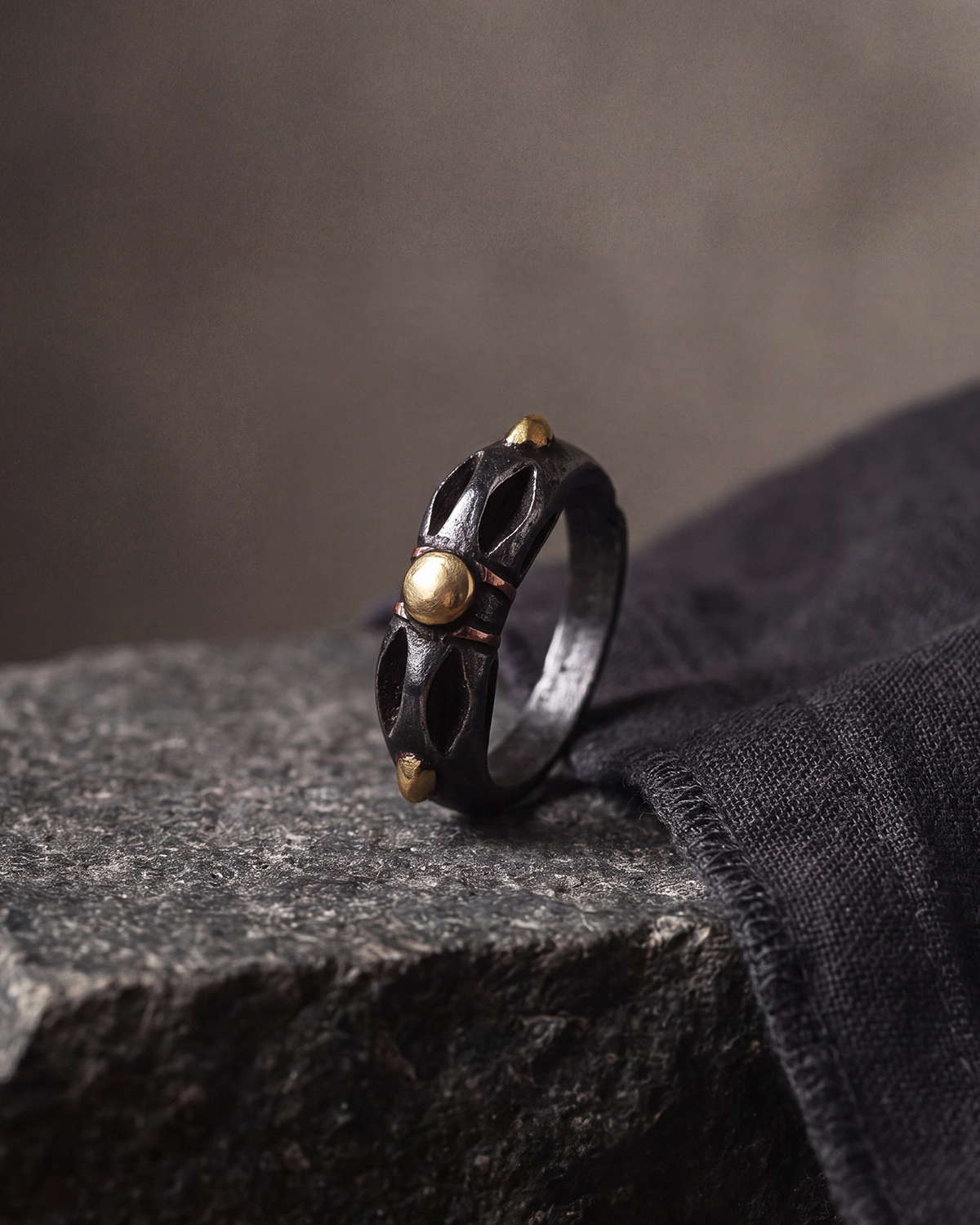
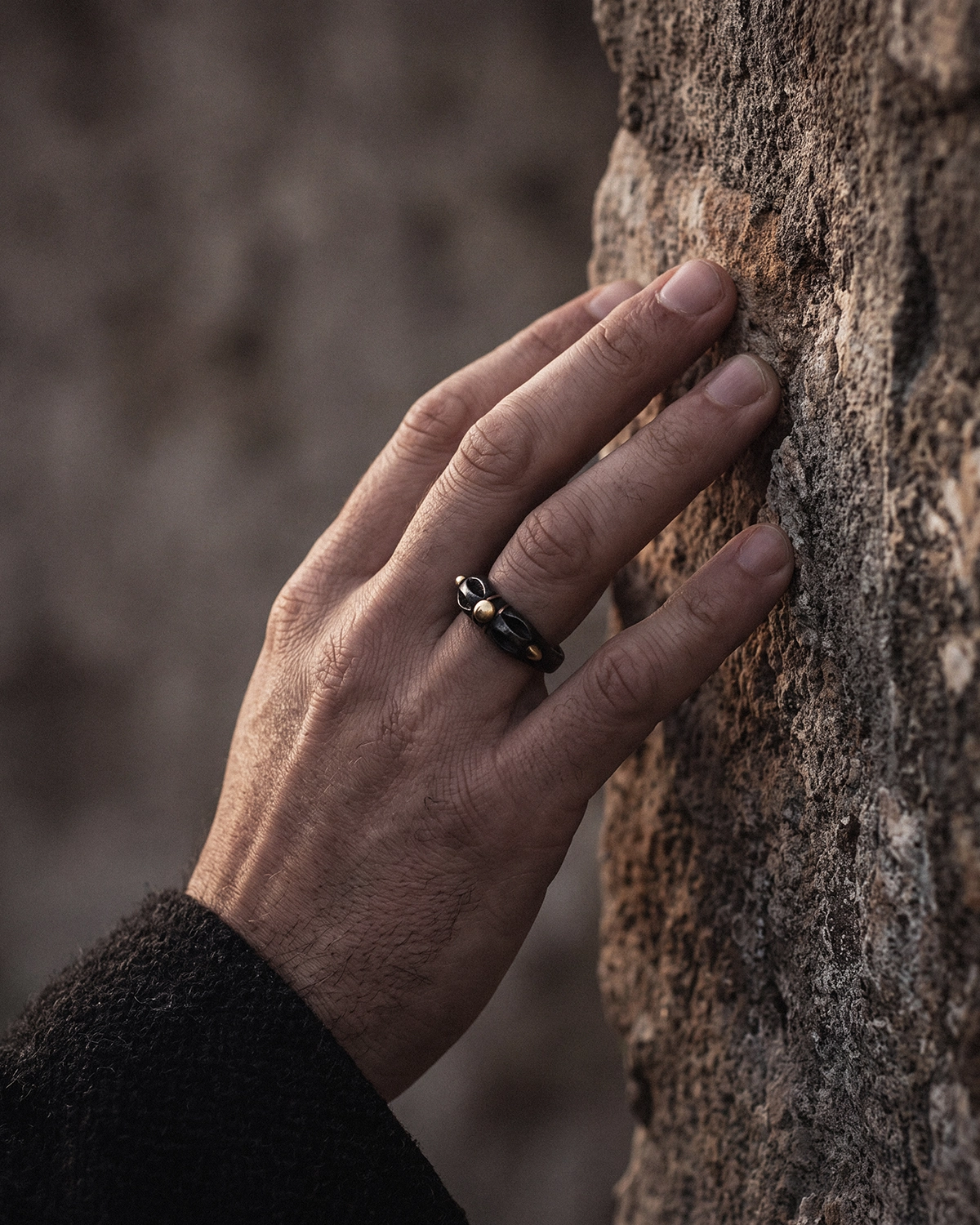
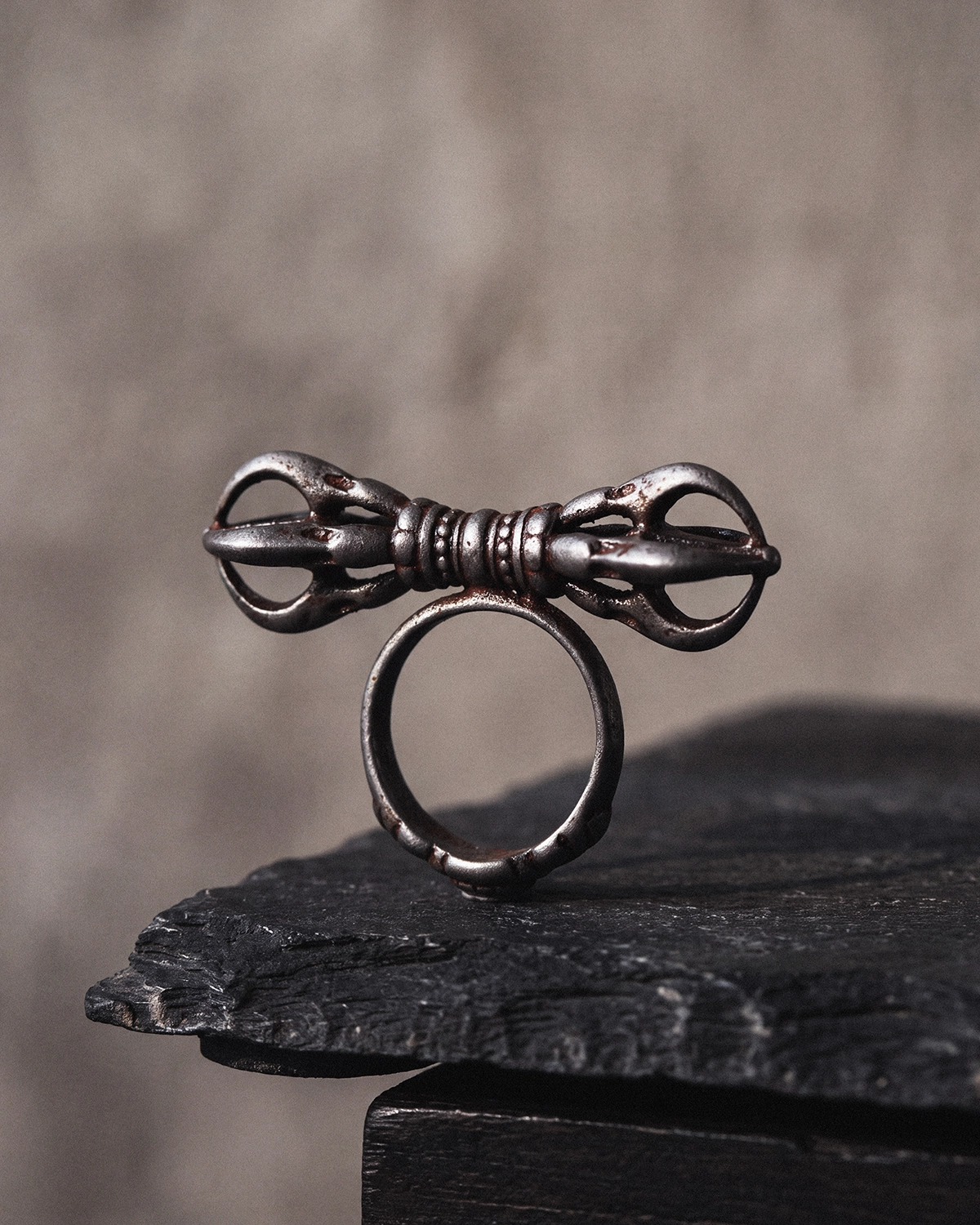
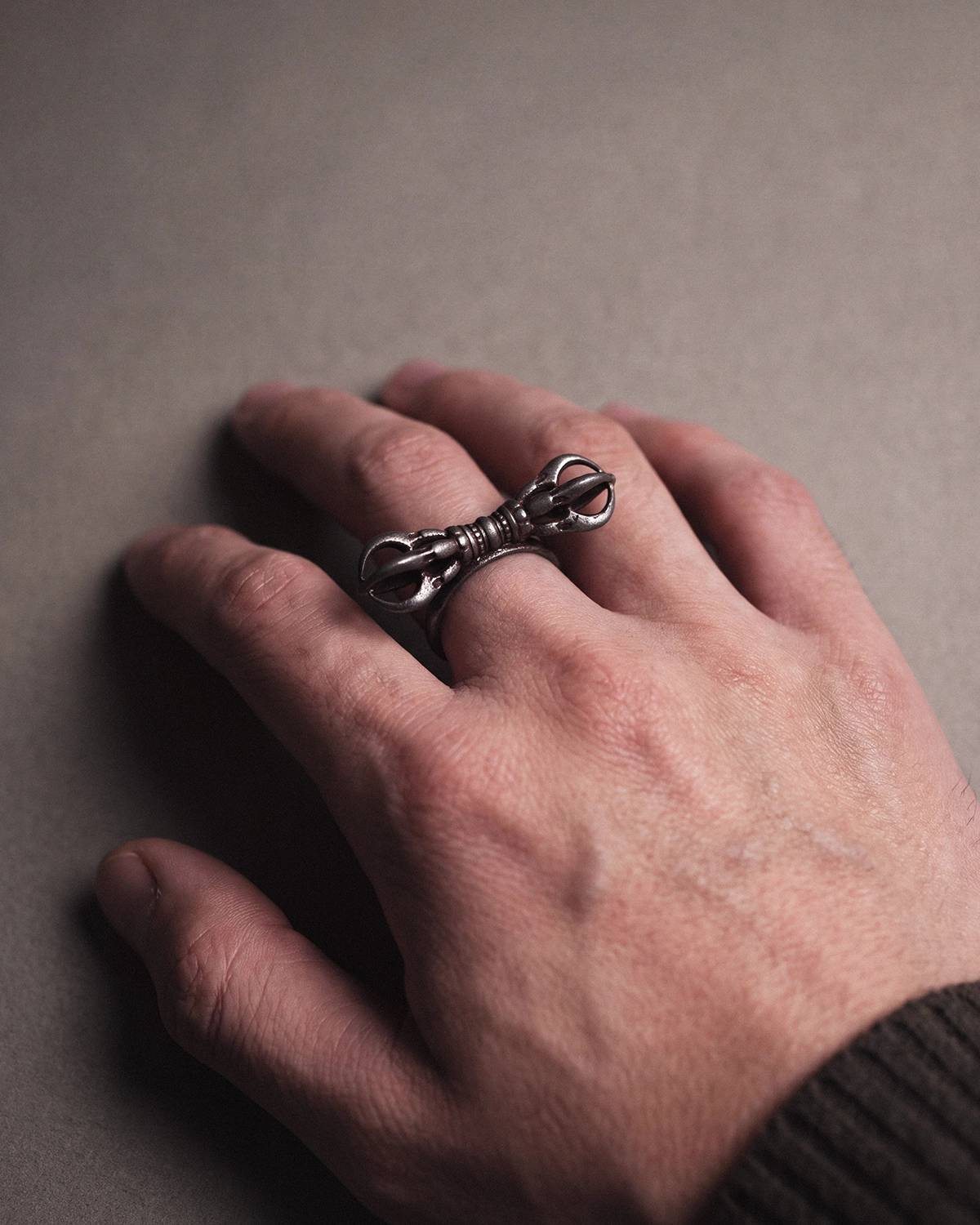
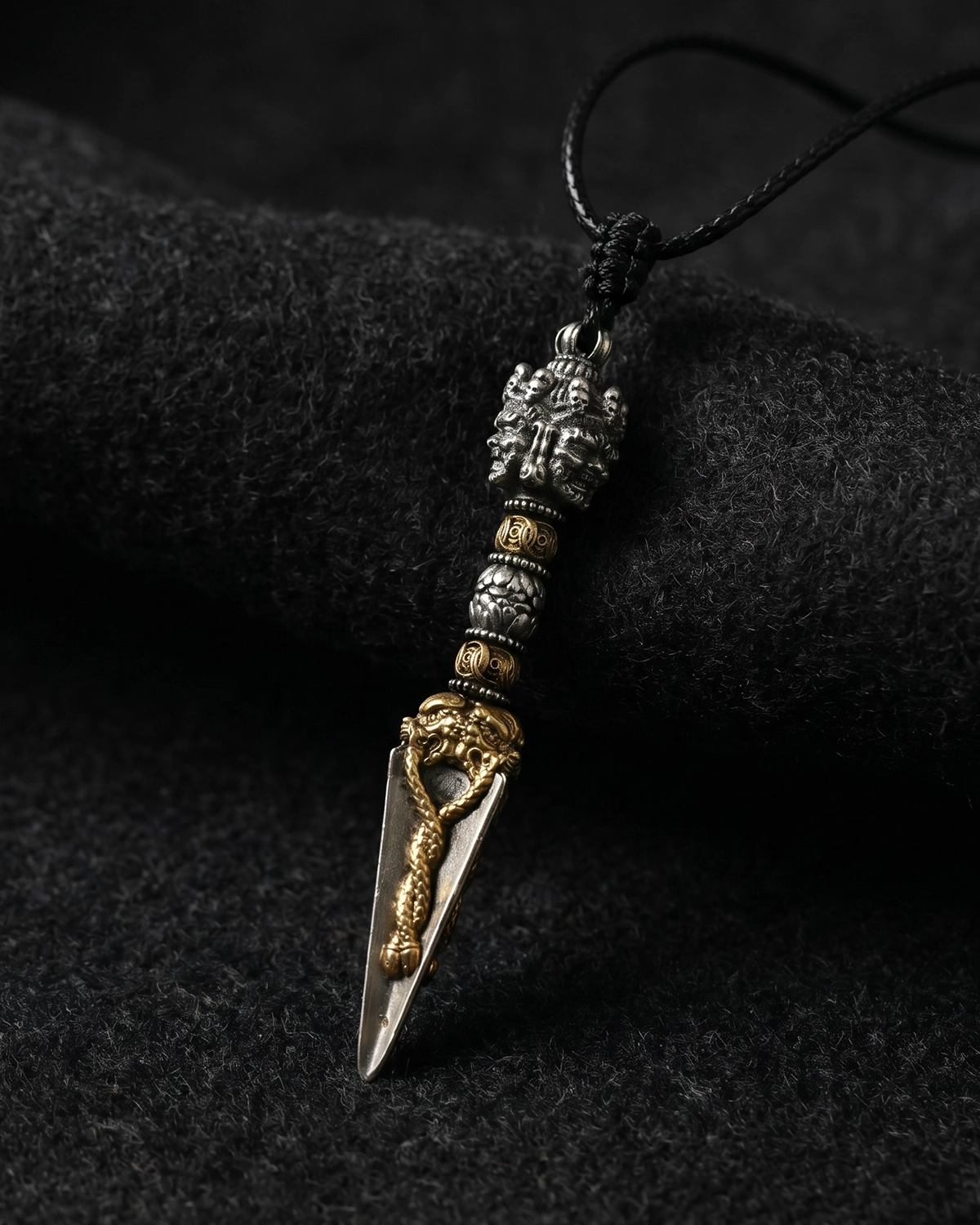
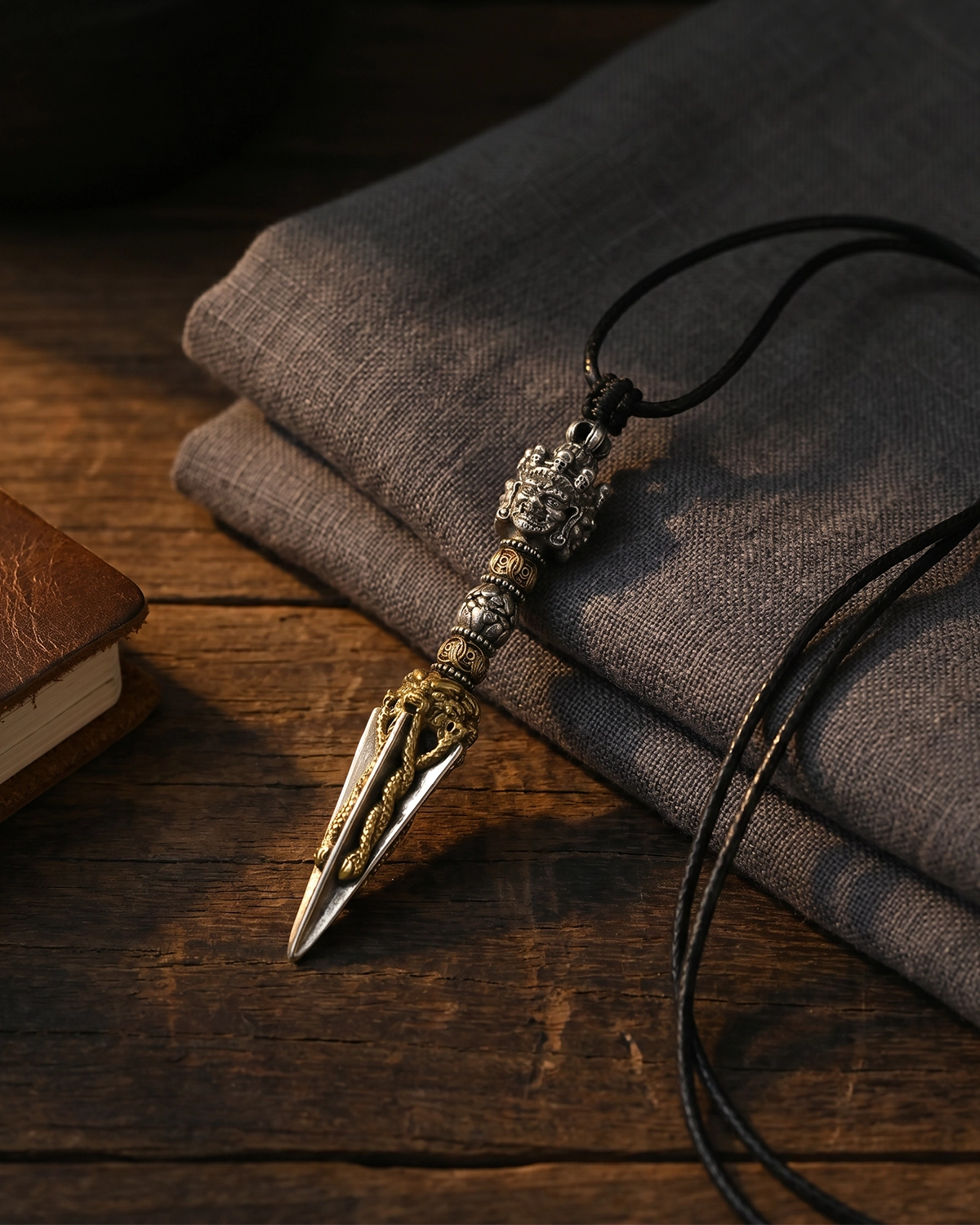
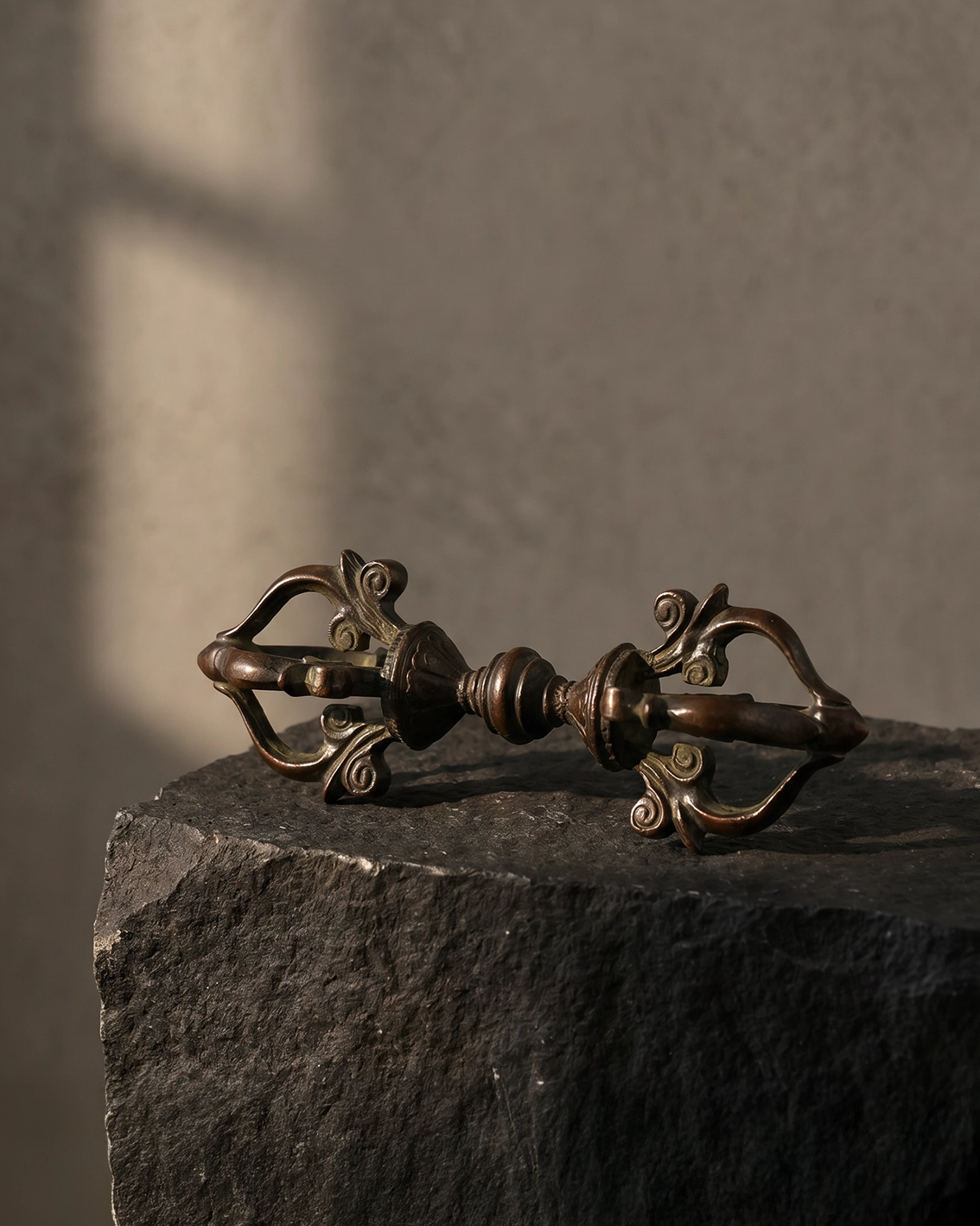
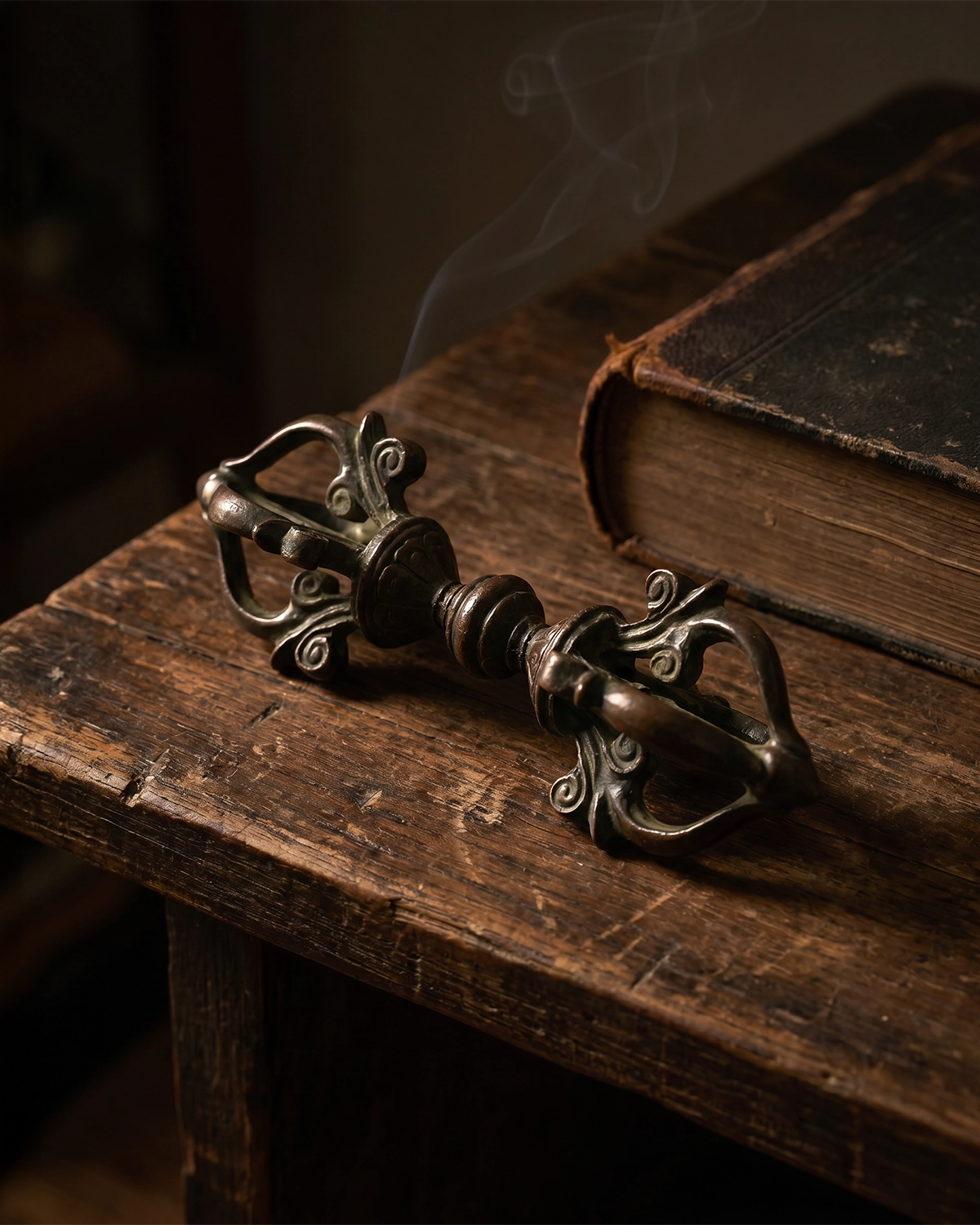
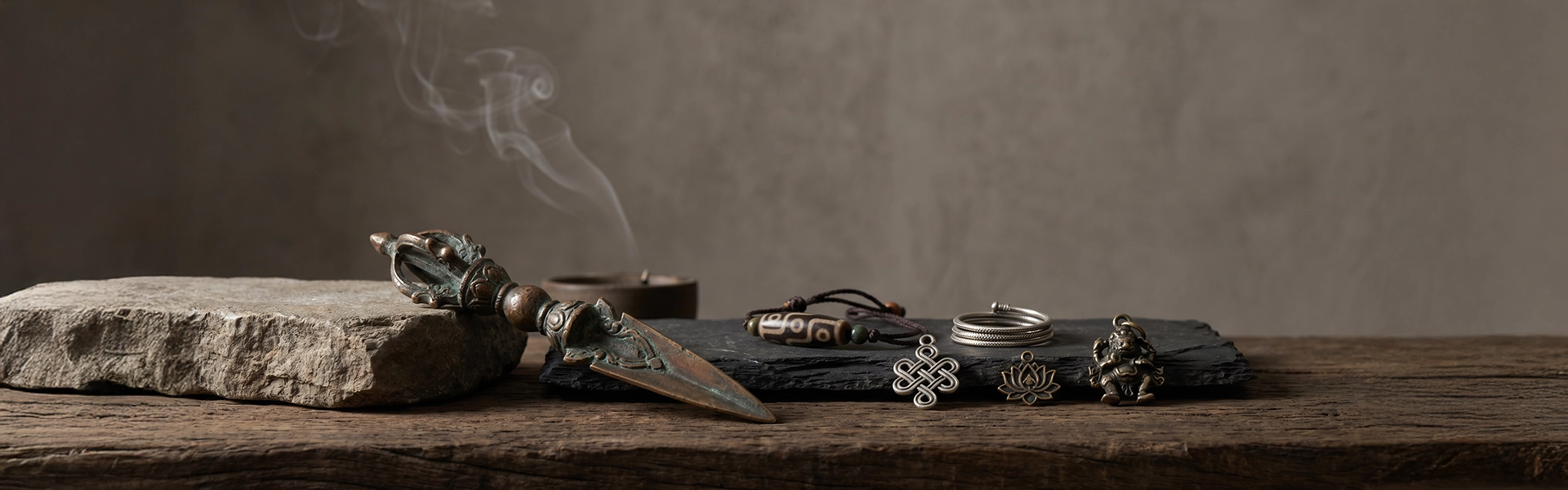
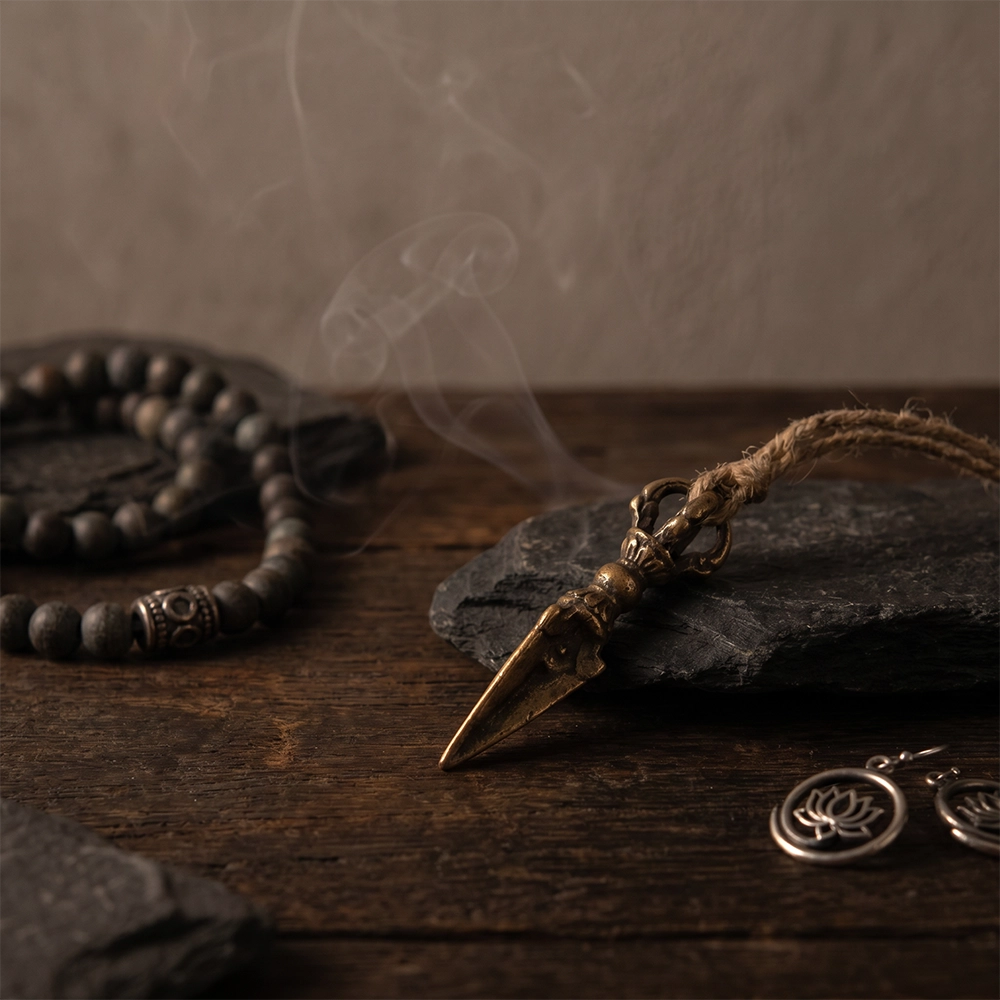
The All Symbols collection gathers KTS products shaped by symbolic motifs, including jewelry, pendants, bracelets, rings, earrings, altar objects, incense pieces, car charms, door blessings, bag charms, travel charms, and symbolic home decor. It may include Vajra or Dorje forms, Dzi-inspired beads, Phurba motifs, Endless Knot details, lotus forms, guardian imagery, prayer wheel references, and other Himalayan-inspired symbolic objects.
2. How should Tibetan-inspired symbols be understood in this collection?
Tibetan-inspired symbols are approached as meaningful forms connected to clarity, boundary, grounding, devotion, protection as symbolic presence, and inner order. KTS does not present these symbols as magical devices, guaranteed protection objects, or authorized religious implements unless verified product data states otherwise. The emphasis is on respectful symbolic meaning, material presence, and modern ritual use.
3. Are Buddhist-inspired symbols used here as religious objects?
KTS treats Buddhist-inspired symbols with cultural respect while presenting them for symbolic, aesthetic, and ritual-adjacent use. Unless a specific product page provides verified details, the pieces are not described as consecrated, monk-blessed, temple-sourced, antique, or ritually used. They are best understood as symbolic objects for personal reflection, daily wear, quiet spaces, and modern ritual living.
4. What makes Himalayan-inspired symbols meaningful for modern life?
Himalayan-inspired symbols can become meaningful when they are translated into daily attention, placement, and material relationship. A symbol may sit on the body, a desk, an altar shelf, a doorway, a travel bag, or a quiet room surface. In the KTS world, the meaning stays grounded in intention, boundary, stillness, memory, and return rather than supernatural claims.
5. What kinds of symbolic jewelry belong in this collection?
This collection may include symbolic pendants, necklaces, bracelets, wrist malas, rings, earrings, beads, charms, and talismanic adornments. The exact styles may vary by product, but KTS symbolic jewelry is centered on form, material, touch, and daily presence. It should feel like a quiet personal anchor rather than a loud spiritual accessory or guaranteed good-luck charm.
6. What kinds of symbolic home decor belong in All Symbols?
Symbolic home decor in this category may include altar objects, desk objects, incense-related pieces, shelf objects, wall or hanging forms, door blessings, guardian motifs, and small sculptural pieces with Tibetan-inspired or Buddhist-inspired references. These objects are strongest when placed with breathing room, material contrast, and restraint rather than crowded shrine styling or bright decorative excess.
7. What does a Dzi-inspired bead symbolize in the KTS context?
A Dzi-inspired bead may suggest carried protection, watchfulness, continuity, and personal anchoring. In the KTS context, its meaning is kept symbolic and grounded: it can serve as a tactile reminder of boundary, steadiness, and return. It should not be framed as a guaranteed source of luck, wealth, healing, or supernatural defense.
8. What does the Vajra or Dorje symbol represent in KTS?
The Vajra or Dorje form is often associated with clarity, disciplined focus, symbolic protection, indestructible awareness, and the cutting through of confusion. KTS translates this symbol as a quiet object of focus, boundary, and inner order. It is not presented as a weapon, magic wand, glowing power object, or promise of guaranteed protection.
9. How should a Phurba-inspired symbol be understood?
A Phurba-inspired form should be understood with restraint and cultural respect. In the KTS context, it may suggest cutting through obstruction, grounding, boundary, and firm intention, but it should not be treated as an aggressive ritual weapon, magical tool, or authorized religious implement unless verified product data says otherwise. The strongest framing is symbolic, sculptural, and materially grounded.
10. What does the Endless Knot symbol mean in this collection?
The Endless Knot may be approached as a symbol of interconnection, continuity, relationship, and the quiet pattern of cause and return. In KTS language, it can suggest a composed reminder of connection and symbolic order. It should not be exaggerated into a claim of fate control, guaranteed love, guaranteed luck, or supernatural binding power.
11. What does the lotus symbol suggest in KTS objects?
The lotus may suggest quiet emergence, composure, devotion, and beauty held through difficulty. In KTS objects, it works best as a restrained symbolic motif rather than a bright decorative flower or generic wellness icon. The meaning remains grounded in form, placement, and intention, not in promises of spiritual perfection, healing, or transformation.
12. How should I choose a symbol from this collection?
Begin with the role you want the object to play. Choose Vajra or Dorje forms for clarity and focus, Dzi-inspired beads for carried boundary and anchoring, Phurba-inspired forms for firm intention, Endless Knot motifs for continuity, lotus forms for quiet emergence, and guardian motifs for symbolic protection. Then consider whether you want the symbol worn, carried, placed at home, or used in a quiet ritual space.