Wisdom & Practice: Anchoring Your Sacred Space
1. Where can I find altar decoration images to inspire my sanctuary design?
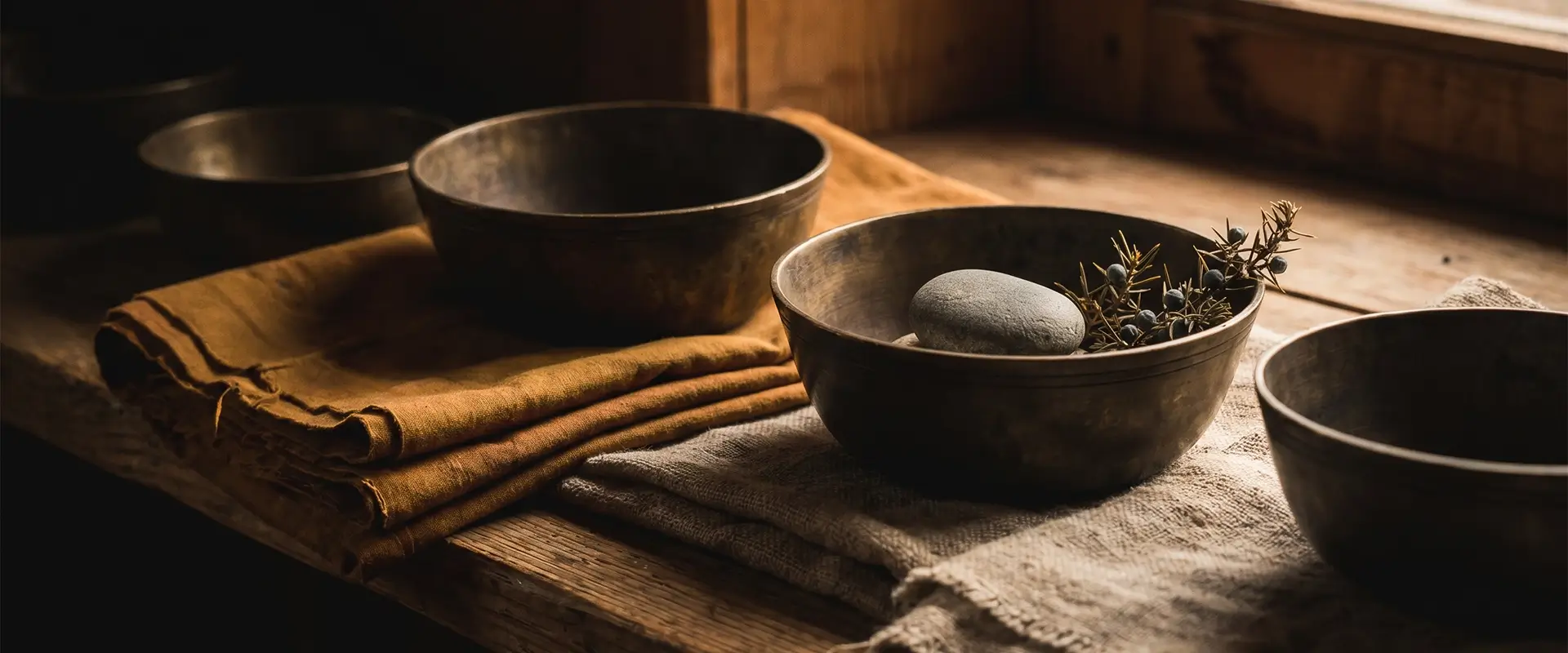
We curate visual inspirations to help you envision a tranquil sanctuary. Whether you are arranging a decorative altar structure or selecting meditation room wall decor, observing minimalist styling with aged bronze artifacts helps you intuitively design a sacred corner that bridges aesthetics with profound mindfulness.
2. What types of altar decorations are essential for a grounding practice?
Foundational elements typically include offering bowls for sensory grounding, heavy metal dorjes for energetic protection, and natural incense holders for purification. We recommend starting with artifacts that carry a tactile weight, serving as physical anchors to return to when your mind begins to wander.
3. How do I integrate traditional puja altar supplies into a modern routine?
Incorporating these ceremonial tools is about deliberate intention, not rigid dogma. Use a simple water offering cup or a handcrafted bell to bookend your morning silence. These physical acts transform routine habits into mindful rituals, bridging ancient reverence with contemporary, everyday stillness.
4. How should I organize my buddhist home altar cabinet meditation supplies?
Treat your storage space as a seamless extension of the shrine itself. Whether housing generalized pieces or specific nichiren buddhist altar supplies, arrange your malas, cushions, and textiles with deliberate care. An uncluttered cabinet fosters spatial purity, ensuring your focused state begins the moment you open the doors.
5. What materials are used to craft authentic supplies for tibetan altar settings?
We honor the Himalayan tradition by selecting pieces cast from heavy copper, solid brass, and hand-carved stone. These raw, textured materials age beautifully, gathering a rich patina over time. Their enduring physical presence stands as a silent witness to your evolving spiritual journey.